No, there is no real reason to think taking your Christmas tree down early brings bad luck. It is a superstition some families hold dear, and it sits alongside a better known one that says leaving the tree up too long is unlucky too.
Between them, the two beliefs leave a fairly narrow window, which is part of the fun. The history behind them is more interesting than the warnings, and it is a lot less strict than people assume.
Is it really bad luck to take your Christmas tree down early?
Not in any meaningful sense. The idea is that Christmas lasts twelve days, so packing it away before Twelfth Night cuts the season short and is somehow disrespectful, or that you will have a less festive year ahead.
You will find versions of this in many households, and some people feel strongly about it. But there is no long, documented tradition behind it in the way there is for Twelfth Night itself. It is best treated as a family custom: lovely to keep if it matters to you, and nothing to worry about if your tree is drooping on Boxing Day and you want your living room back.
There are good practical reasons to take a tree down early, too. You might be going away for New Year, a pet may have taken too much interest in it, or the tree may simply have dried out faster than expected in a warm room. If any of those apply, clearing up early is the sensible choice. Some people also like to start the new year with a tidy, bright house, and see an early clear up as a fresh start rather than a bad omen.
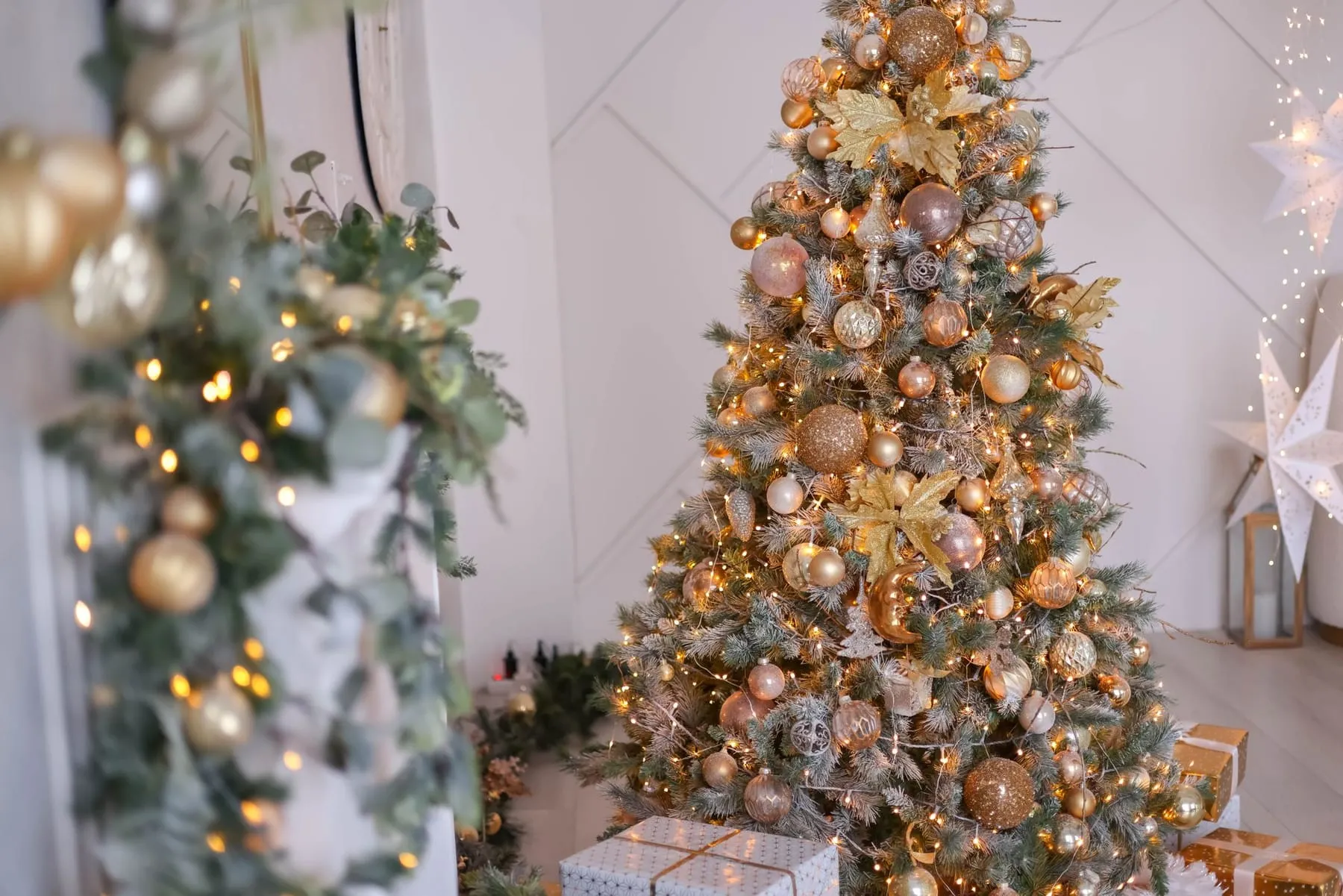
Where does the Twelfth Night superstition come from?
The better known superstition is the opposite one: leaving decorations up after Twelfth Night, 5 or 6 January, is said to bring bad luck for the rest of the year. Historians generally describe this as a relatively modern belief.
It probably grew out of older customs around Candlemas, on 2 February. In medieval and early modern England, Christmas greenery such as holly, ivy, bay and rosemary was often left in place until Candlemas eve and then cleared away. One seventeenth century poem warns that every leaf left behind after Candlemas eve would bring a goblin into the house, which is about as close to an original “bad luck” rule as the record gets.
Over the centuries, as the working year began earlier and the Christmas season shrank, the deadline seems to have moved forward from Candlemas to Twelfth Night. The fear of leaving greenery up too long came with it. If you want the dates in detail, our guide on what date to take your Christmas tree down covers both.
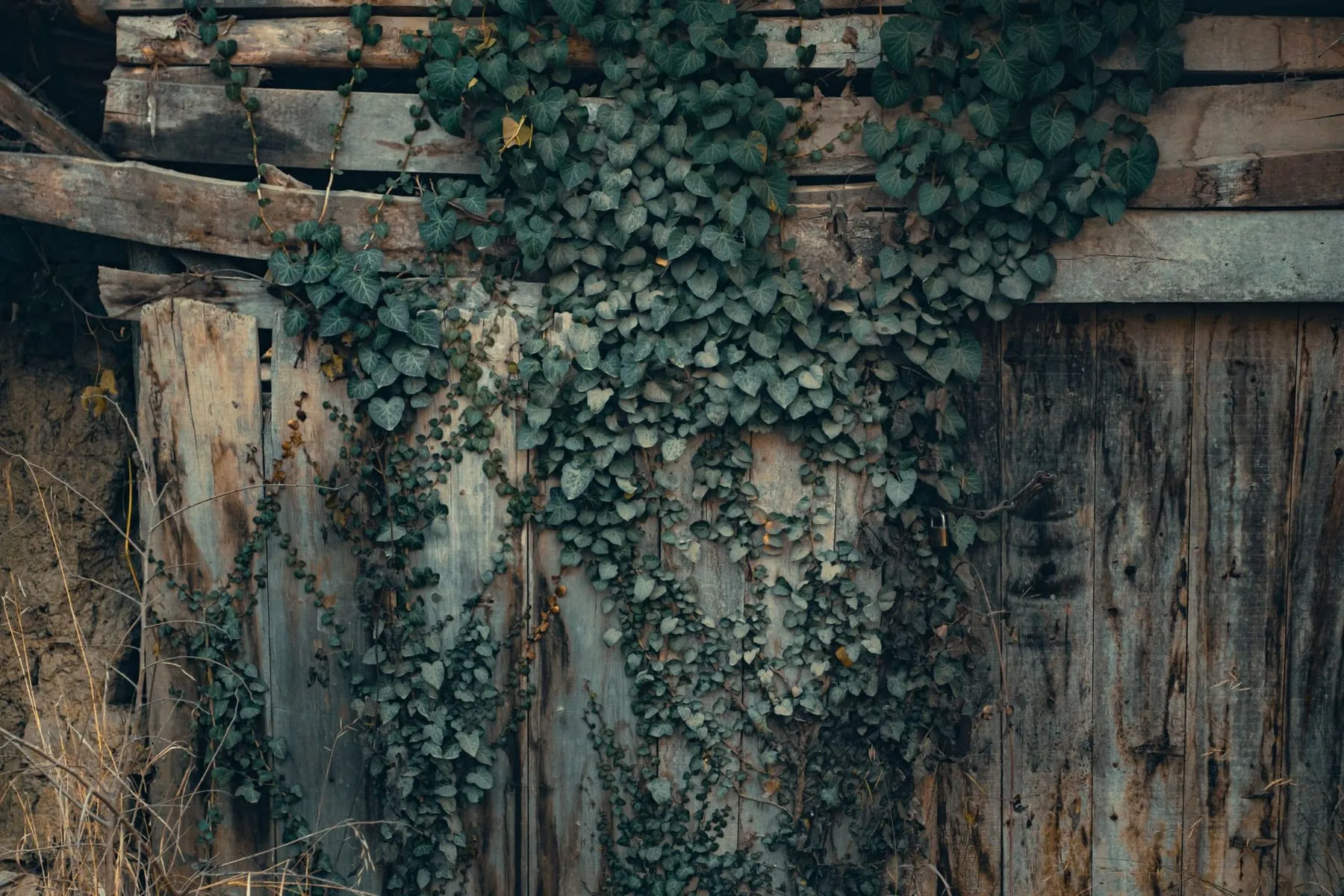
What was the tradition before Christmas trees?
Before Christmas trees became common in Britain, homes and churches were decorated with cut evergreens rather than a whole tree. Holly, ivy, mistletoe, bay and box were brought in for the season, and the greenery itself carried meaning and a few superstitions.
The decorated indoor tree only became widespread in Britain in the Victorian era, after Prince Albert and Queen Victoria’s tree was pictured in the press in the late 1840s. So any rule about when a Christmas tree in particular must come down is newer still. You can read more in where the Christmas tree tradition started.
Customs about disposing of the greenery varied from place to place. In some areas it was burned once the season ended, in others a piece was kept until the following year. That variety is a good reminder that there was never one official rulebook.
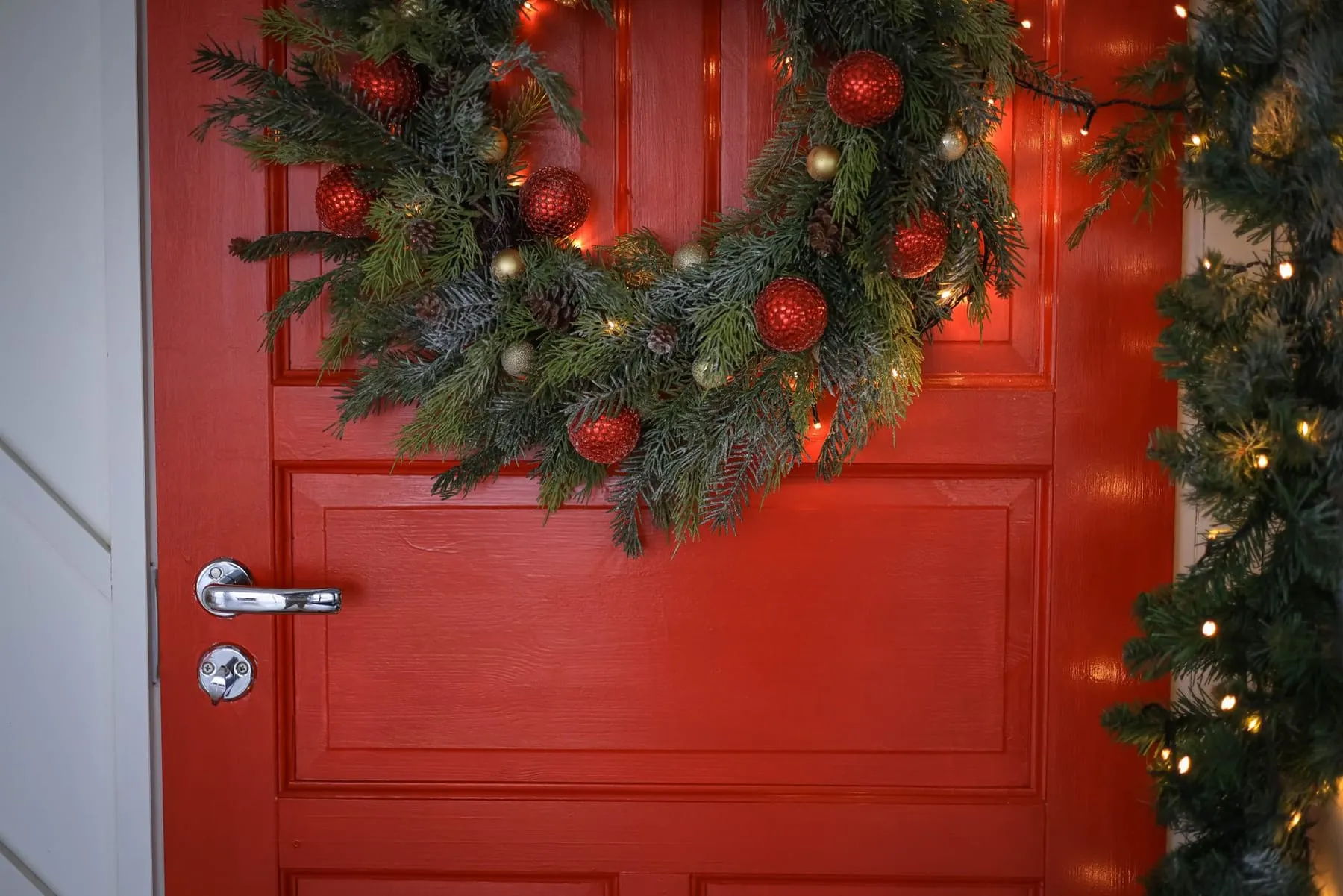
Is it bad luck to leave a real tree up too long?
Superstition aside, there is one practical reason not to leave a real tree up too long: it dries out. A well watered cut tree typically looks good for roughly four to five weeks indoors. After that, needles drop faster, branches turn brittle and the tree becomes more flammable, especially with lights wrapped around it.
So if you bought your tree in early December, Twelfth Night is a sensible time to take it down whatever you believe about luck. If you would like it to last right through, choose a variety that holds its needles well and keep the stand topped up every day. Our guide on how long a real Christmas tree lasts compares the main varieties.
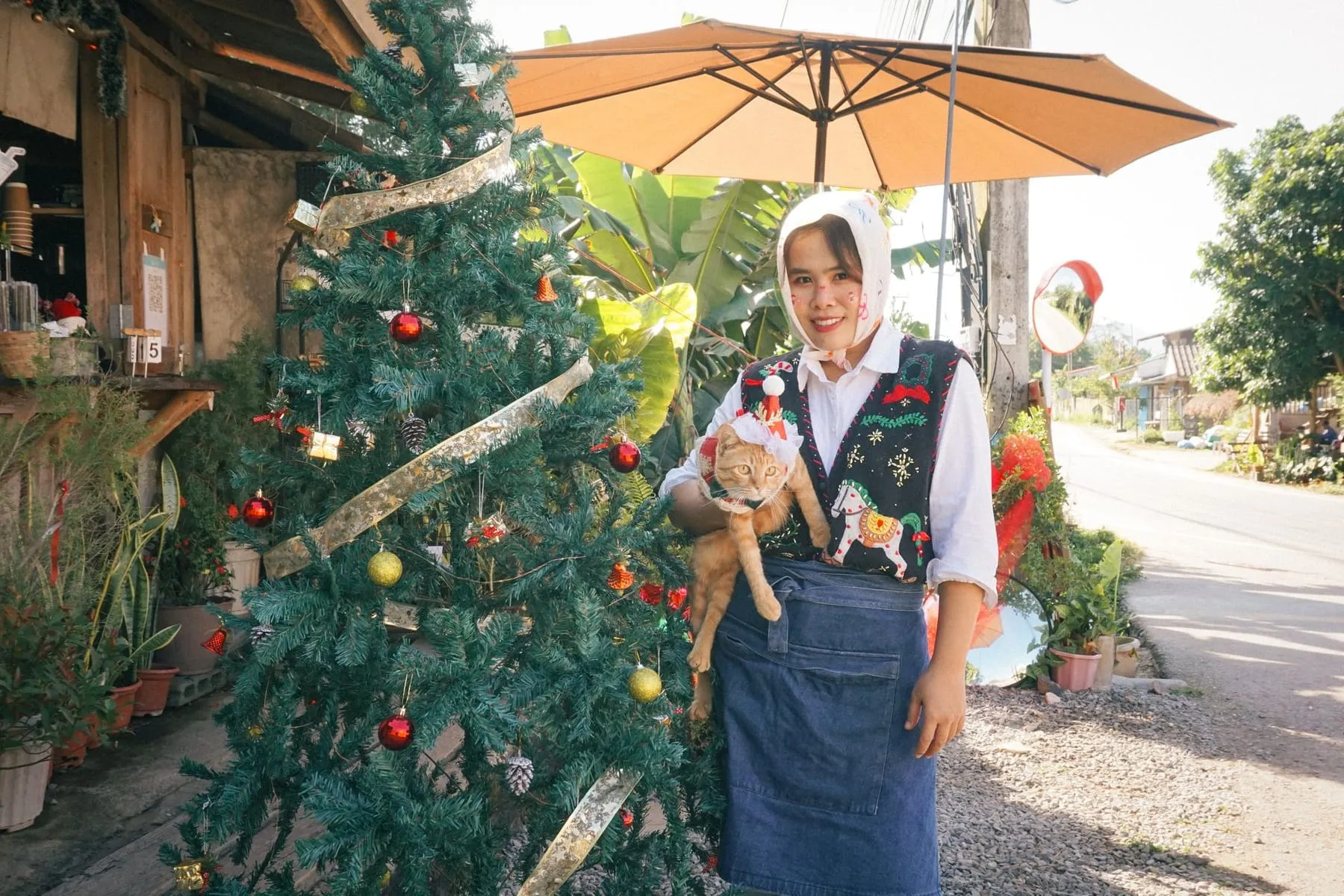
How to decide when to take your tree down
The simplest approach is to decide what matters to your household and plan around it. Some families like the ceremony of Twelfth Night, others take everything down the weekend after New Year, and some clear up as soon as the visitors have gone.
A few sensible pointers:
- If you follow tradition, aim for 5 or 6 January.
- If your real tree is struggling, take it down when the needles start to fall in showers, whatever the date.
- If you want it gone quickly, there is no tradition you will genuinely offend.
- If you want to recycle it, check your council’s collection dates, which usually fall in early January.
When it does come down, our guide to what to do with your Christmas tree after Christmas has practical ideas, from council chipping schemes to using the branches in the garden.

Why do these superstitions still matter to people?
Superstitions about the tree last because they give shape to the season. A clear start and a clear end, and a little ritual on each side, make Christmas feel like an occasion rather than just a few weeks of extra lights.
The tree itself also carries centuries of meaning, from evergreens as symbols of life in midwinter to the star at the top. If that side of it interests you, read what a Christmas tree represents.
For many families, the real tradition is the trip to choose the tree in the first place. When next season comes round, you can find a Christmas tree farm near you and start the whole cycle again.
Questions people ask
Is it bad luck to take your tree down before New Year?
Some families hold that clearing up before New Year means carrying the old year's troubles forward, but this is a household custom rather than a widespread tradition. Plenty of people take their tree down on 27 or 28 December without any ill effects.
What happens if you leave your Christmas tree up after Twelfth Night?
According to the superstition, bad luck for the year ahead. In practice, the only risk with a real tree is that it keeps drying out and dropping needles, and a very dry tree near lights is a fire hazard.
Is it bad luck to throw a Christmas tree away?
There is no well known superstition about this. Recycling it through your council or using it in the garden is the most useful thing to do with it.
Is it bad luck to put your Christmas tree up early?
There is no traditional belief that putting a tree up early is unlucky. The main downside with a real cut tree is that it may be past its best by New Year.
Why did people burn or keep Christmas greenery?
Customs varied. In some places greenery was burned once the season ended, while in others a sprig was kept for luck, so there was never one single rule.