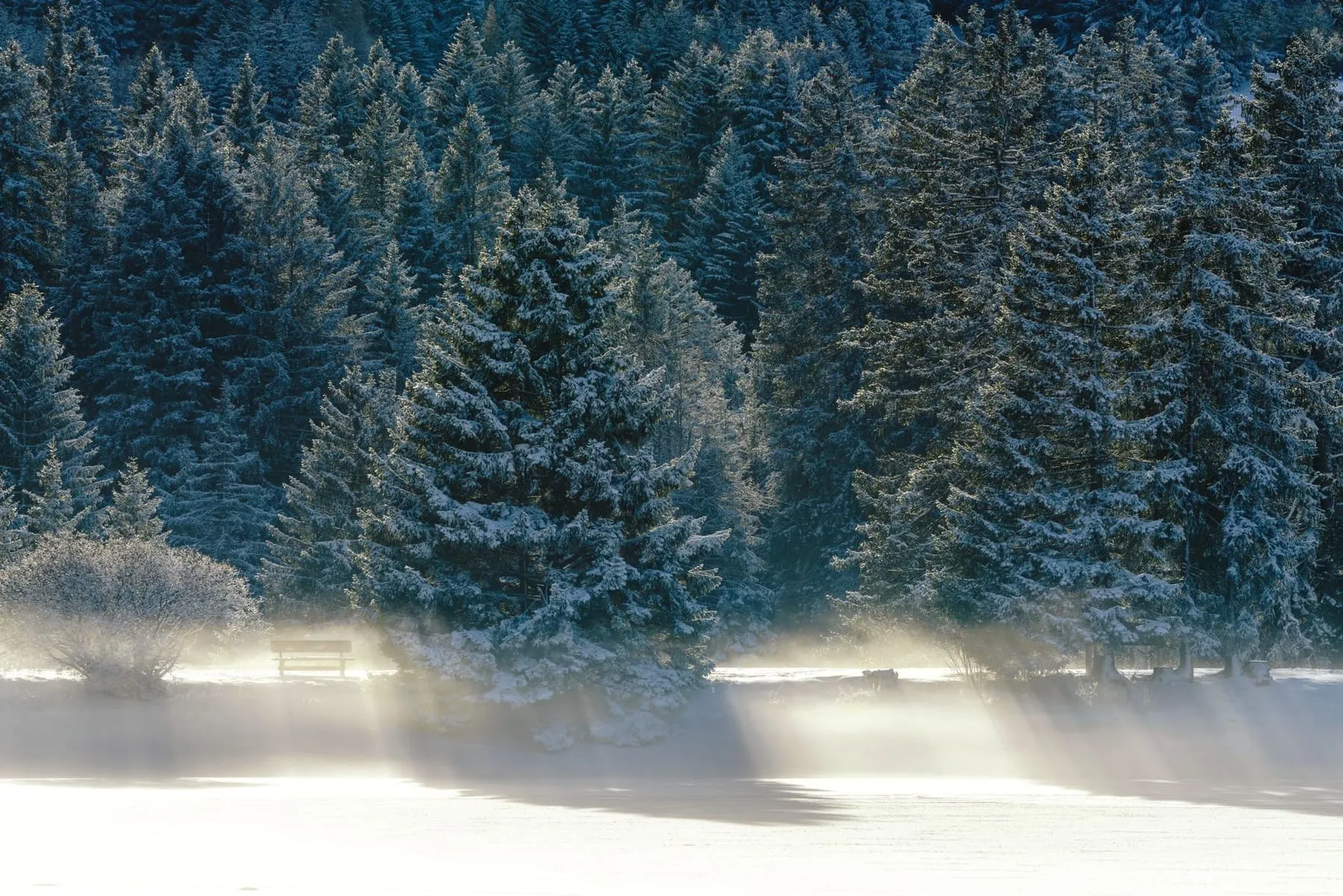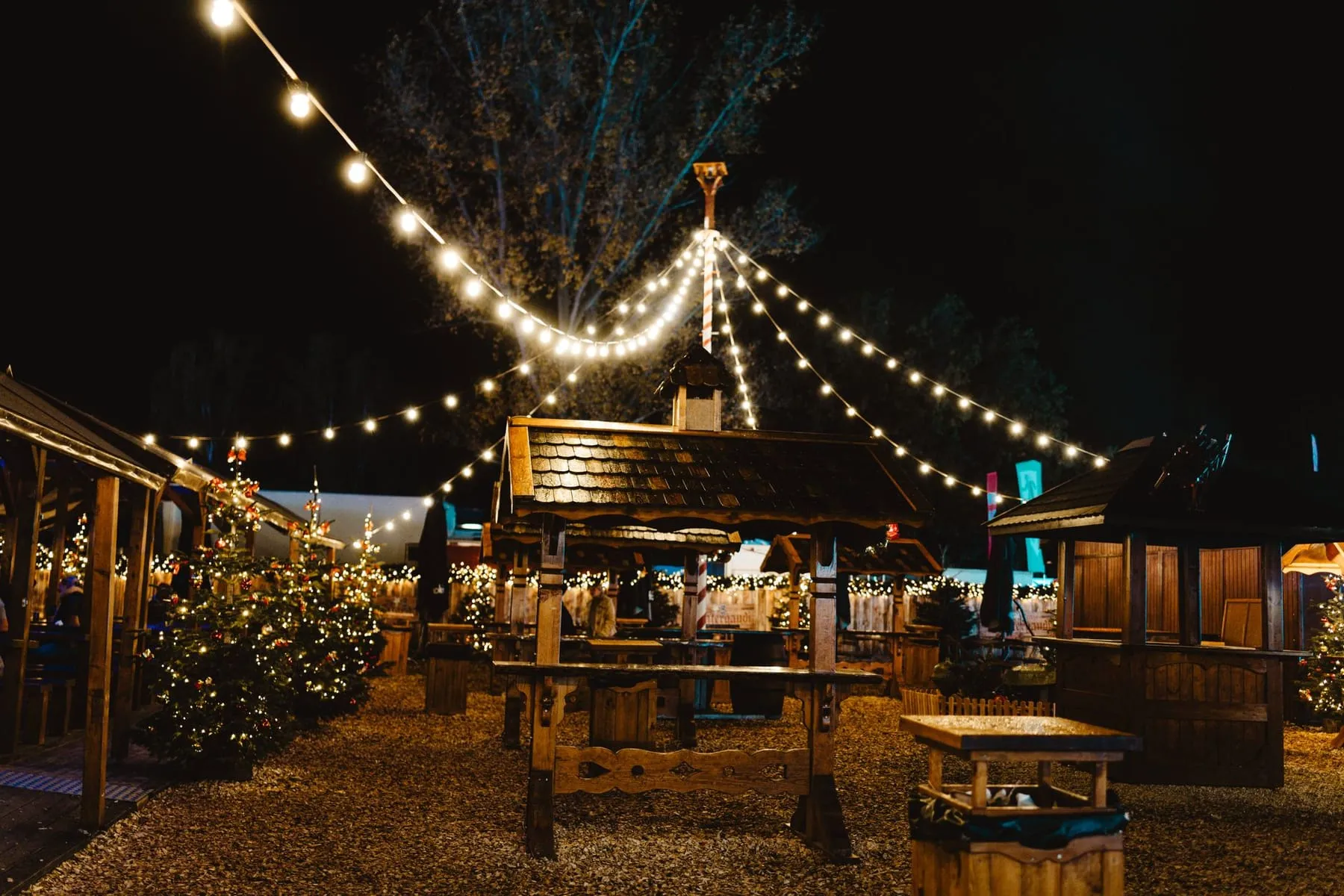
Germany is the country usually credited with starting the Christmas tree tradition. By the 1500s and 1600s, people in German speaking lands were bringing evergreen trees indoors at Christmas and decorating them, and the habit spread from there across Europe and eventually around the world.
The full story is a little more tangled, with rival claims from the Baltic, older customs involving evergreens, and a famous royal picture that turned a German custom into a British one.
Which country started the Christmas tree tradition?
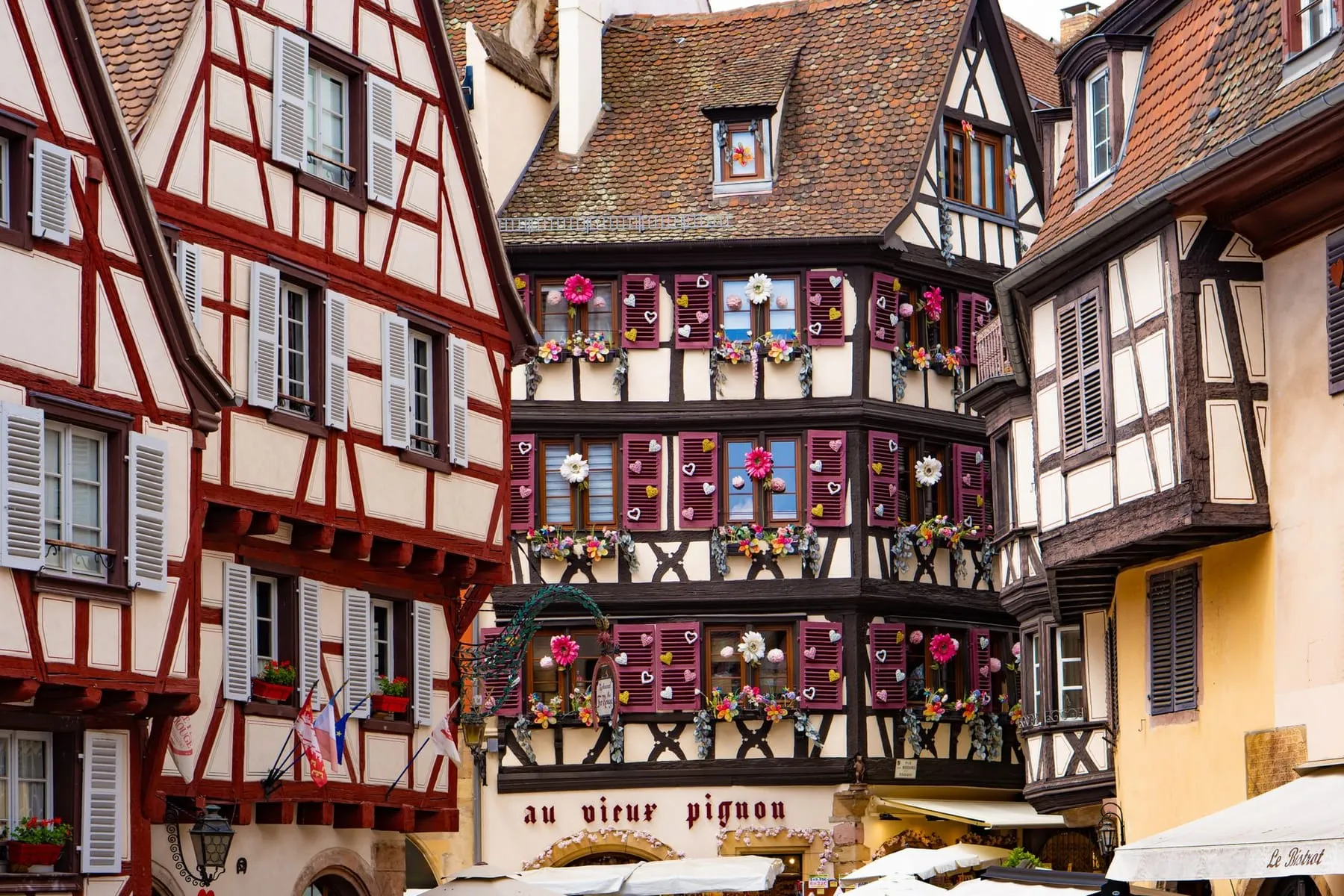
Germany, broadly speaking, though “Germany” at the time meant a patchwork of German speaking states and cities. Much of the earliest evidence comes from the Upper Rhine, in particular Alsace, a region that is now part of France.
A town record from Sélestat in Alsace, dated 1521, is often cited as one of the earliest written references to Christmas trees, in this case paying for the trees to be guarded. An account from Strasbourg in 1605 describes fir trees set up in homes at Christmas and hung with paper roses, apples, wafers, gold foil and sweets. That is recognisably the decorated tree we know today.
Early trees were not always in people’s homes. Guilds and craft associations often set up a decorated tree in their meeting halls, and children were allowed to shake it and gather the treats on the last day of the season. Trees in ordinary family homes became more common over the following two centuries.
From these regions the custom spread through Protestant northern Germany and into Scandinavia, and later into Catholic areas too. By the early 1800s the candlelit tree was a familiar part of a German Christmas, and German families who moved abroad took it with them.
What about Latvia and Estonia?
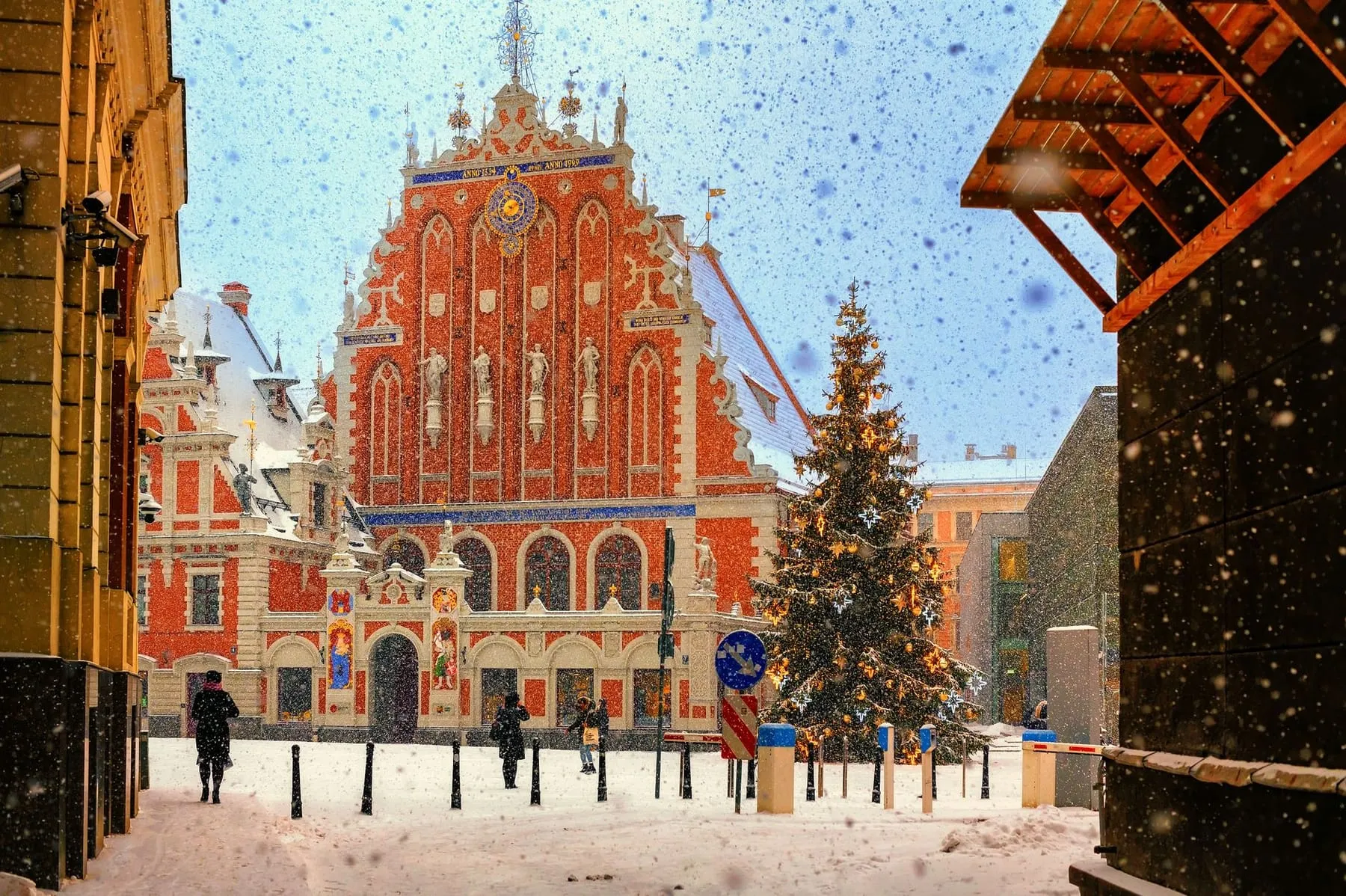
Latvia and Estonia both claim the first Christmas tree, and the friendly rivalry is still going. Both claims centre on the Brotherhood of Blackheads, a guild of unmarried merchants with houses in Riga and Tallinn.
Tallinn points to records suggesting the guild set up a tree in 1441. Riga dates its tree to 1510, when the guild is said to have decorated a tree, danced around it and then burned it. Historians debate exactly what these records show, and whether these were Christmas trees in the modern sense or part of wider midwinter celebrations. Still, both cities proudly mark the spot today, and the stories show how widespread tree customs were across northern Europe.
Where did the idea of a Christmas tree come from?
The decorated tree drew on older traditions of bringing evergreens indoors in midwinter. Long before Christianity, many cultures in Europe decorated with green branches during the darkest part of the year, as a sign that life would return. In Britain, holly, ivy and mistletoe filled that role for centuries.
A more direct ancestor is the “paradise tree” of the late Middle Ages. Religious plays about Adam and Eve were performed around 24 December, which was their feast day in the church calendar, and a fir tree hung with apples stood in for the tree in the Garden of Eden. Some historians think households later copied the paradise tree at home, adding wafers and then other decorations.
There is also a much repeated story that Martin Luther put candles on a tree to show his children the stars. It is charming, but there is no solid evidence for it. For more on the symbolism, see what a Christmas tree represents.

How did the Christmas tree come to Britain?
The Christmas tree arrived in Britain with the royal family. Queen Charlotte, the German born wife of George III, is said to have set up a decorated tree for a children’s party at Windsor around 1800. For several decades after that, trees were mostly found in royal and aristocratic homes, and in German merchant families.
The turning point came with Queen Victoria and her German husband, Prince Albert, who married in 1840. Albert brought the customs of his childhood with him, and the royal family’s trees at Windsor became well known. In December 1848 the Illustrated London News printed a picture of the royal family gathered around a candlelit tree, and the image was widely copied.
Within a generation, middle class Victorian families were putting up their own trees, often on Christmas Eve. Our guide to when to put up your Christmas tree covers how those Victorian dates compare with today.
How did the tradition spread around the world?
From Germany and Britain, the Christmas tree travelled with emigrants and with fashion. German settlers took it to North America, and by the later 1800s it had spread widely there, helped along by magazine illustrations that copied the British royal picture.
Some modern traditions show how far it has travelled:
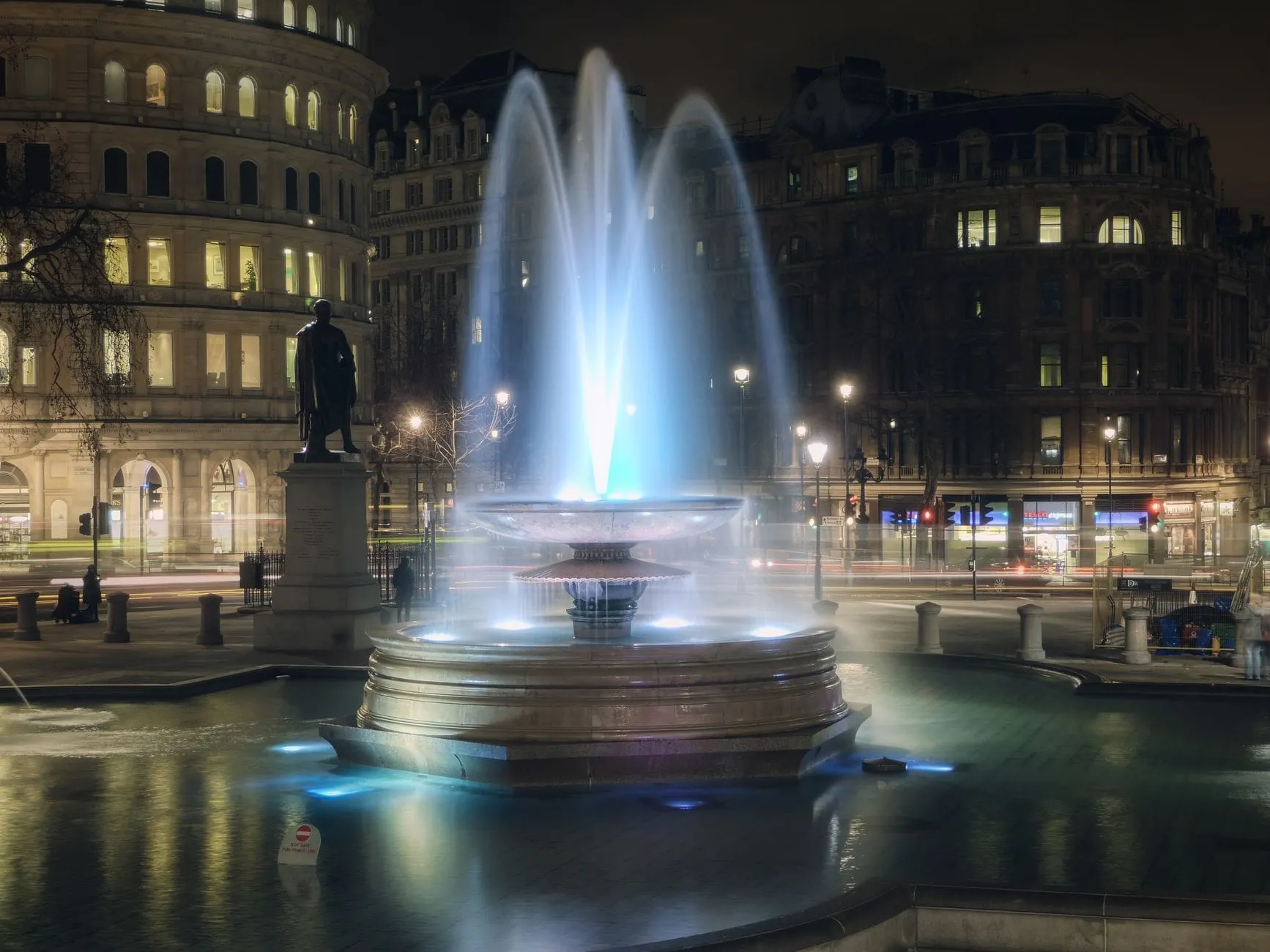
- Trafalgar Square, London: every year since 1947, the city of Oslo has given London a Norway spruce as thanks for Britain’s help during the Second World War.
- Public trees in town squares: most British towns and cities now light a community tree in late November or early December.
- Artificial trees: the first ones were made in Germany in the 1800s from goose feathers dyed green, partly because of concerns about cutting too many trees.
Which trees did people use, and which do we use now?
The earliest Christmas trees in Germany were usually native fir and spruce, which grew close to hand. In Britain, the Norway spruce became the classic Christmas tree in the twentieth century, with its strong scent and traditional shape.
Today most real trees sold in the UK are Nordmann firs, which are prized for holding their needles, alongside Norway spruce, Fraser fir, Noble fir and Scots pine. Almost all are grown on specialist farms rather than taken from the wild. Our guide to what trees are Christmas trees compares them, and if scent matters most to you, read which Christmas tree smells the best.
Choosing your own tree at a farm is a tradition in its own right now, and it connects nicely with those early German foresters guarding their trees. You can find a Christmas tree farm near you and walk the rows to pick yours.
Questions people ask
Did Prince Albert bring the Christmas tree to Britain?
Not quite. German born members of the royal family had trees before him, including Queen Charlotte around 1800. Albert and Victoria made the custom fashionable, and a printed picture of their tree in 1848 helped it spread across the country.
Did Martin Luther invent the Christmas tree?
There is a popular story that Luther added candles to a tree after seeing stars through the forest, but there is no reliable evidence for it. It is best treated as a legend.
Why does Norway send a Christmas tree to London?
Since 1947, Oslo has given a Norway spruce to the people of London each year as thanks for Britain's support during the Second World War. It stands in Trafalgar Square through December.
When did Christmas trees become popular in America?
German immigrants brought the custom to North America, notably to Pennsylvania, and it spread more widely during the second half of the 1800s.
What were the first Christmas trees decorated with?
Early accounts from the Strasbourg area describe trees hung with paper roses, apples, wafers, gilded decorations and sweets. Candles came later and were common by the 1800s.