When the decorations come down, a real tree is easy to recycle in the UK. Almost every council has a way to take it, many charities will collect it for a donation, and a surprising amount of it can be put to use in your own garden.
What you should not do is leave it on the pavement and hope, burn it in the wood burner or dump it. Here are the better options, and how to get each one right.
What can you do with a real Christmas tree after Christmas?
You can recycle a real Christmas tree through your council, donate it to a charity collection, reuse it in the garden, or replant it if it was grown in a pot. Real trees are fully biodegradable, so whichever route you choose, the tree ends up as mulch, compost or fuel rather than landfill.
| Option | Best for | What you need to do |
|---|---|---|
| Council kerbside collection | Most households | Put the tree out on your area’s collection date in January |
| Garden waste bin | Anyone with a garden waste service | Cut the tree into pieces that fit with the lid shut |
| Household recycling centre | Big trees or missed collections | Take it to the green waste area |
| Charity collection | Raising money for a local cause | Book online, usually in December |
| Reuse in the garden | Gardeners and wildlife lovers | Shred or cut it up for mulch, plant protection or habitat |
| Replanting | Pot grown trees only | Plant out or keep in a larger pot |
Whatever you choose, take off every decoration first: lights, tinsel, hooks and the stand or pot. Stray tinsel and wire spoil chipped mulch and can damage machinery.
When should you take your Christmas tree down and get rid of it?
Most people in the UK take their tree down on or just before Twelfth Night, which falls on 5 or 6 January depending on the tradition you follow. Council collections are usually timed for the first two or three weeks of January to match.
If your tree is dropping heavily before then, it is fine to take it down sooner. A cut tree that has dried out is a fire risk and makes a mess, and our guide on how long a real Christmas tree lasts explains what to expect. For the dates and traditions, see when to take down your Christmas tree, and if you are worried about the old superstition, read whether it is bad luck to take your Christmas tree down early. Next year, a few simple habits will keep your tree alive and green for longer.
A tip for the day itself: wrap an old sheet or a large tree bag around the tree before you carry it out. Most of the dry needles stay inside instead of trailing through the house.
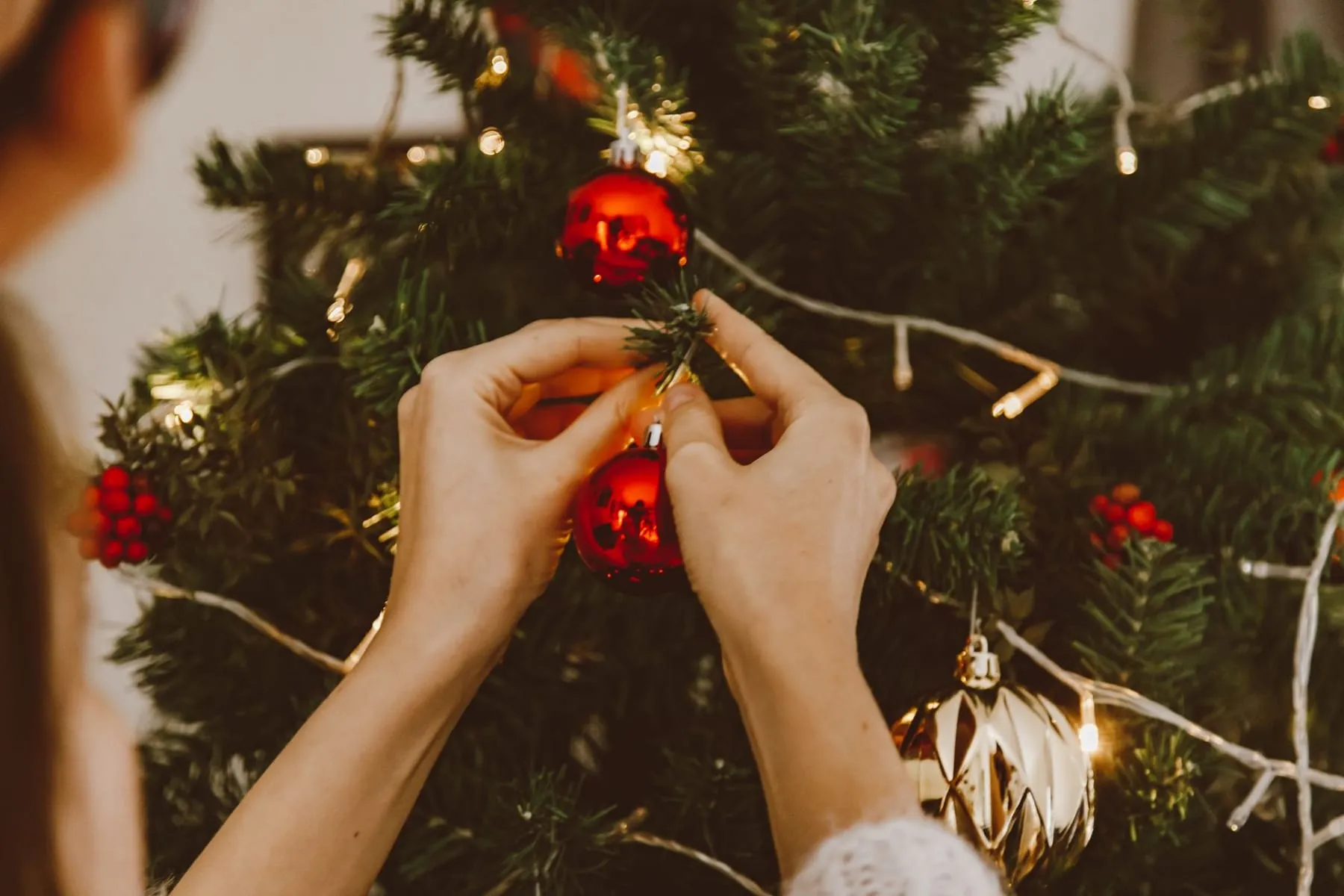
How to recycle a Christmas tree through your council
Most UK councils recycle real Christmas trees in January, either through a special kerbside collection, your garden waste bin or the local household recycling centre. The trees are shredded and used as mulch or compost, and some go for biomass fuel.
Arrangements vary a lot between councils, so check your council’s website in late December. Typical rules include:
- Special collections often run for a set fortnight in January. Some are open to everyone, while others are only for garden waste subscribers.
- Size limits. Some councils ask you to cut trees over about 6 ft in half so they fit safely in the lorry.
- Garden waste bins take trees cut into pieces that fit with the lid closed. Many councils set a maximum thickness for branches and trunks, often somewhere around 10 cm.
- Placement. Put the tree out on your collection day, at the edge of your property where you normally leave bins, not blocking the pavement.
- Recycling centres accept trees in the green or garden waste area. Some now require you to book a slot, so check before you go.
- Flats and communal bins sometimes have a separate drop off point, so ask your managing agent or council.
Remove the stand, any pot, net or bag, and all decorations. Trees with tinsel or lights still attached are often left behind.
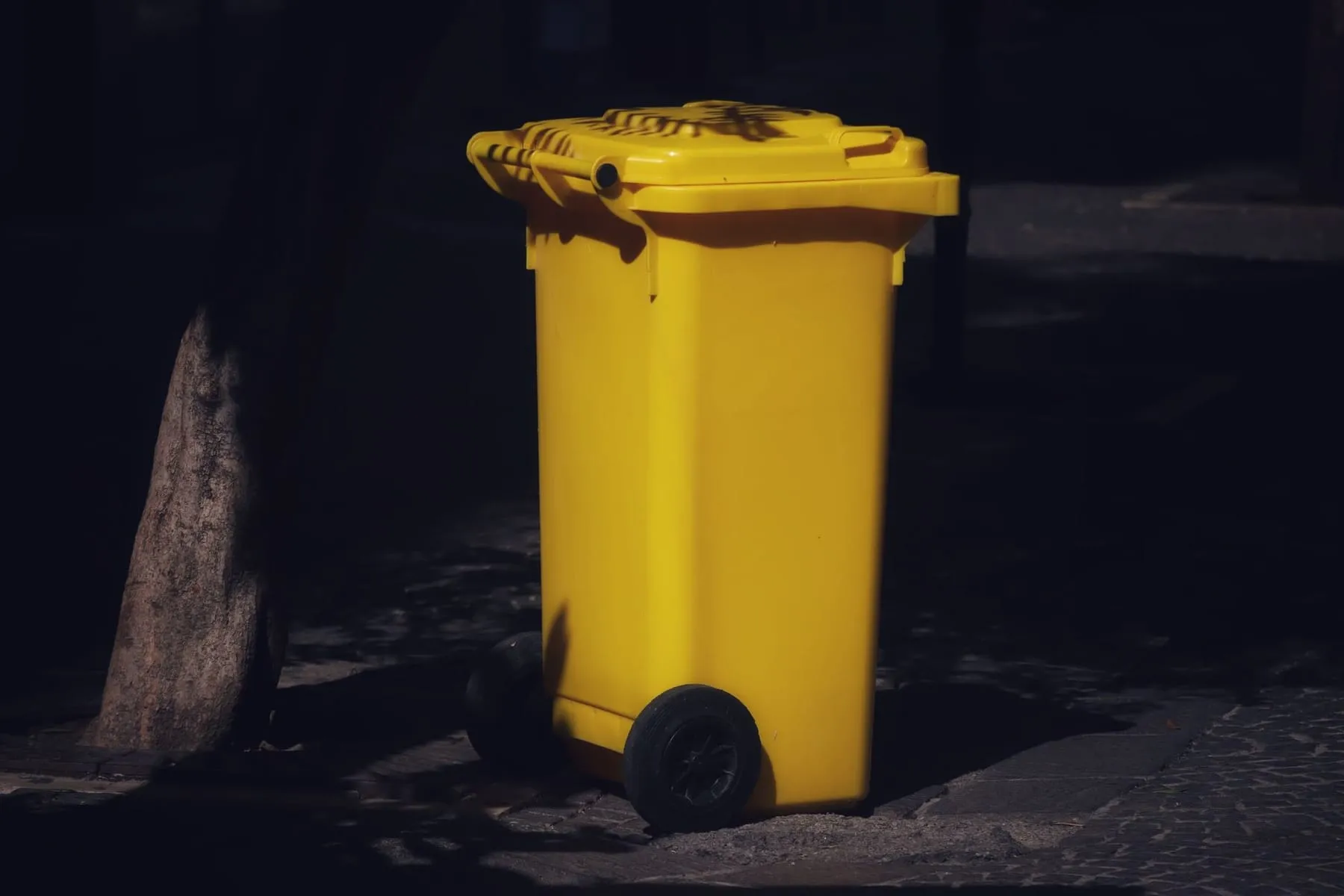
Charity Christmas tree collections
Many hospices and local charities collect real trees from your door in early January in return for a donation. It is an easy option if you have no garden waste bin or no car, and the money goes to a good cause.
These schemes are usually run by volunteers with vans, and trees are taken to be chipped or composted. You normally book online during December and choose a suggested donation, with the collection happening in the first couple of weeks of January. Places can fill up, so book early. Search for “Christmas tree collection” with the name of your town to see what runs near you.
Businesses with lots of trees, such as offices, shops and hotels, may need a commercial waste collection rather than a household scheme. If you are ordering for next year, our bulk Christmas trees page covers larger orders.
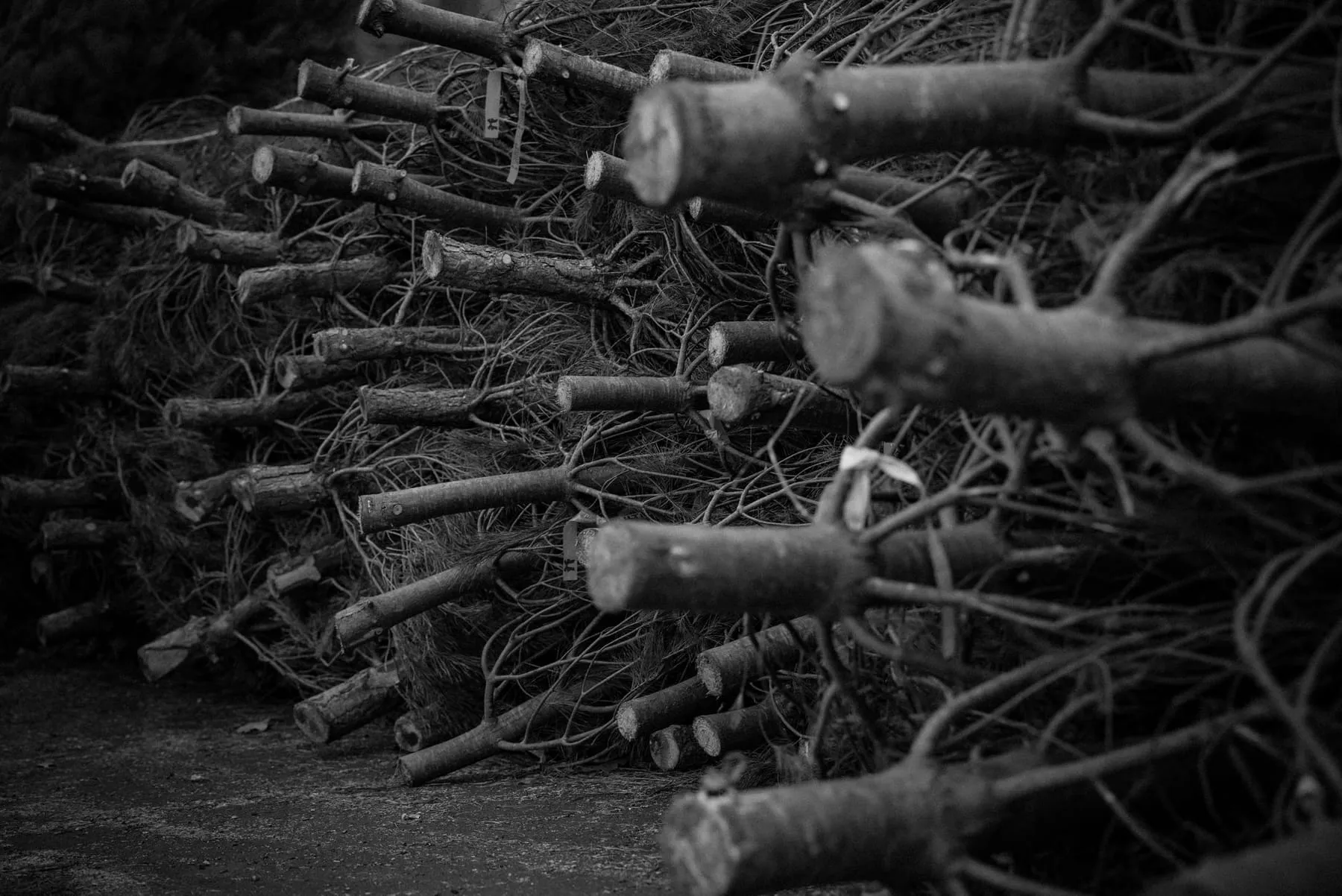
How to reuse a Christmas tree in your garden
You can reuse almost all of a Christmas tree in the garden. Cutting it up takes half an hour with loppers and a pruning saw, and gives you several useful materials.
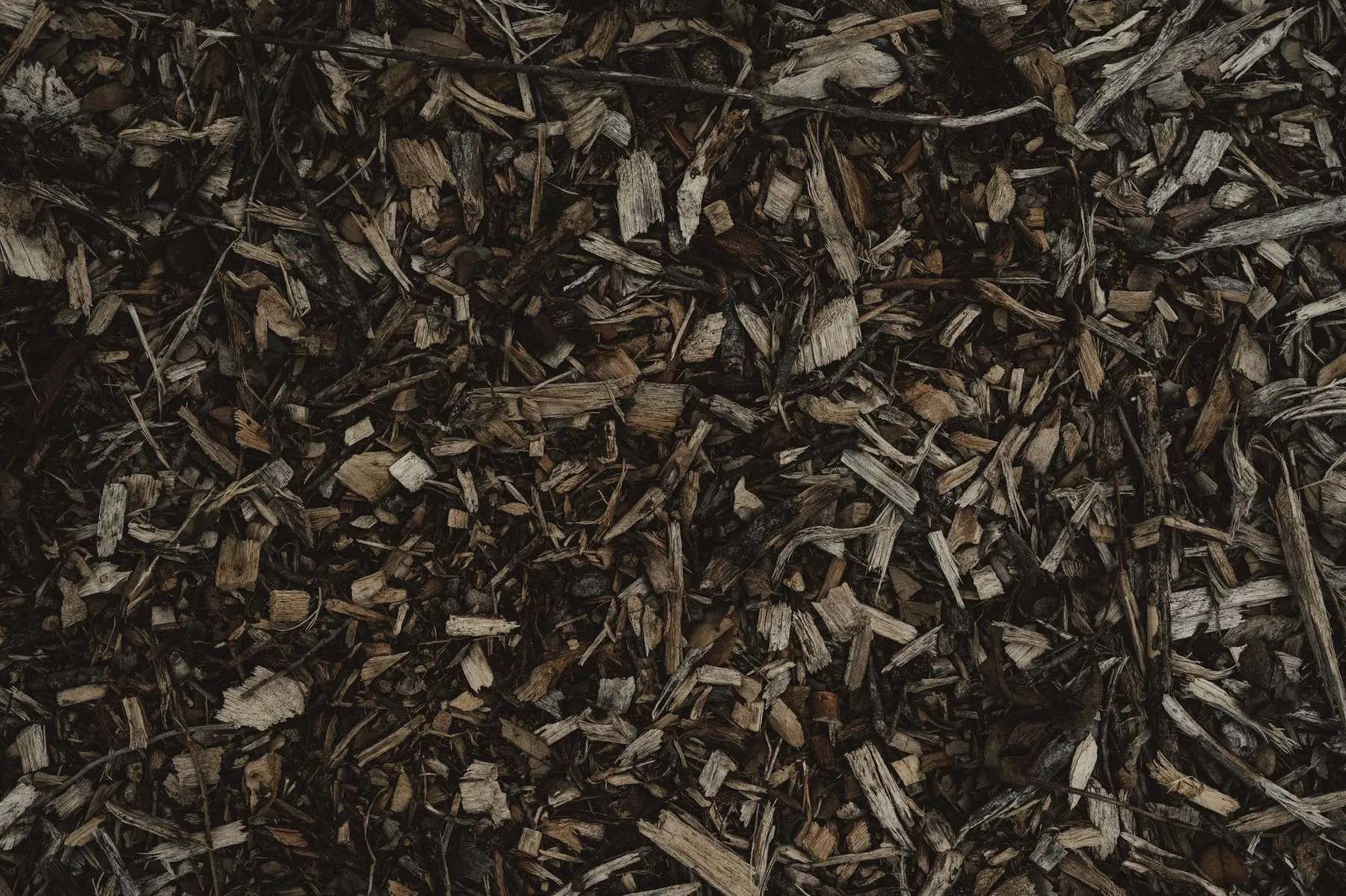
- Mulch. If you have a garden shredder, run the branches through it and spread the chippings on paths or around shrubs. Shredded material also composts well mixed with softer green waste.
- Winter protection. Cut branches laid over borders, bulbs or tender plants give some protection from frost and stop cats and birds digging up newly sown areas.
- Wildlife habitat. A loose pile of branches and logs in a quiet corner gives shelter to insects, frogs, hedgehogs and small birds over the rest of winter.
- Plant supports. Twiggy side branches make pea sticks, and a straight trunk with the branches removed can be cut into stakes or edging for beds.
- A bird feeding post. Stand the tree in a corner of the garden, wedge it firmly and hang fat balls and feeders from the branches for a few weeks.
Whole branches in a compost heap take years to rot, so chop or shred them first. Avoid using any part of a tree that has been sprayed with artificial snow or glitter.
Can you replant a Christmas tree?
You can only replant a Christmas tree if it was grown in a pot or dug with its roots intact. A cut tree has no roots and cannot grow new ones, however long it has stood in water.
Pot grown trees, raised in their pot from a young age, have the best chance. Trees that were dug from a field and squeezed into a pot often lose too many roots to survive. If you are deciding for next year, our guide to choosing a real cut or potted tree explains the difference.
To give a potted tree its best chance:
- Keep it indoors for no more than about 10 to 12 days, in the coolest spot you can, away from radiators.
- Water it so the compost stays moist but not waterlogged.
- After Christmas, move it to a sheltered porch, garage or shed for a few days before it goes outside, so the change in temperature is not too sudden.
- Plant it out in a sunny spot, or move it into a larger pot to bring indoors again next year, and keep it watered through spring and summer.
Remember that most Christmas tree species grow into large trees, so plant away from buildings or keep it in a container.
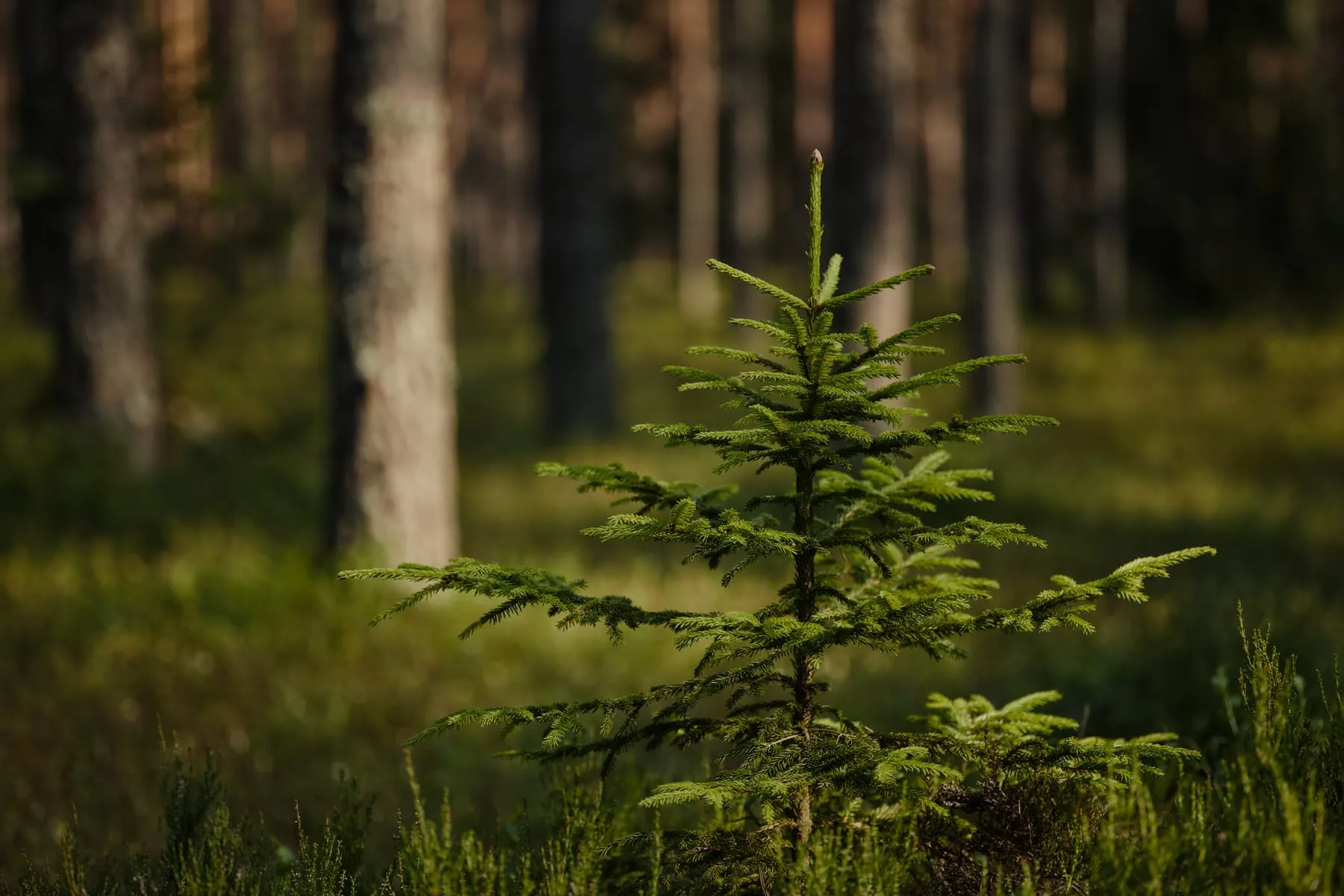
What not to do with an old Christmas tree
There are a few things you should not do with an old Christmas tree: burn it indoors, fly tip it, or set it out at the wrong time.
Do not burn it in a wood burner or open fire. Conifer wood and needles are full of resin and, when freshly cut, still hold plenty of moisture. Burning them can build up tar and creosote in the flue and flare up hot enough to risk a chimney fire. At most, a few small dry twigs as kindling is the limit.
Think twice about a garden bonfire. Smoke from a big pile of green branches can annoy neighbours, and your council can take action over repeated smoke nuisance. Recycling is cleaner and simpler.
Do not dump it. Leaving a tree in a lay by, a park or on a vacant plot counts as fly tipping and can lead to a fine.
Do not leave it out early. A tree left on the pavement days before your collection blocks the path and may not be taken.
When it is time to choose again next winter, a fresh tree from a local farm lasts longer and is easier to recycle when you are done. You can search our directory of Christmas tree farms and plan ahead.
Questions people ask
Can I put my Christmas tree in the garden waste bin?
Yes, if you have a garden waste collection, as long as the tree is cut into pieces that fit with the lid closed. Most councils also set a maximum branch or trunk thickness, so check your council's rules.
Can a cut Christmas tree be replanted?
No. Once a tree has been cut from its roots it cannot grow new ones, however fresh it looks. Only trees grown in a pot or dug with a root ball have a chance of growing on.
Do Christmas tree farms take trees back?
Some farms and garden centres offer a January take back or chipping day, especially for customers who bought from them. Ask when you buy your tree.
Can I put my Christmas tree out with the general rubbish?
Most councils will not take a whole tree with general waste, and putting it out on the wrong day can be treated as fly tipping. Use a tree collection, the garden waste bin or a recycling centre instead.
Are old Christmas trees good for compost?
Shredded branches and needles break down well in a compost heap, though slowly. Whole branches take years, so chop or shred them first and mix them with softer green waste.