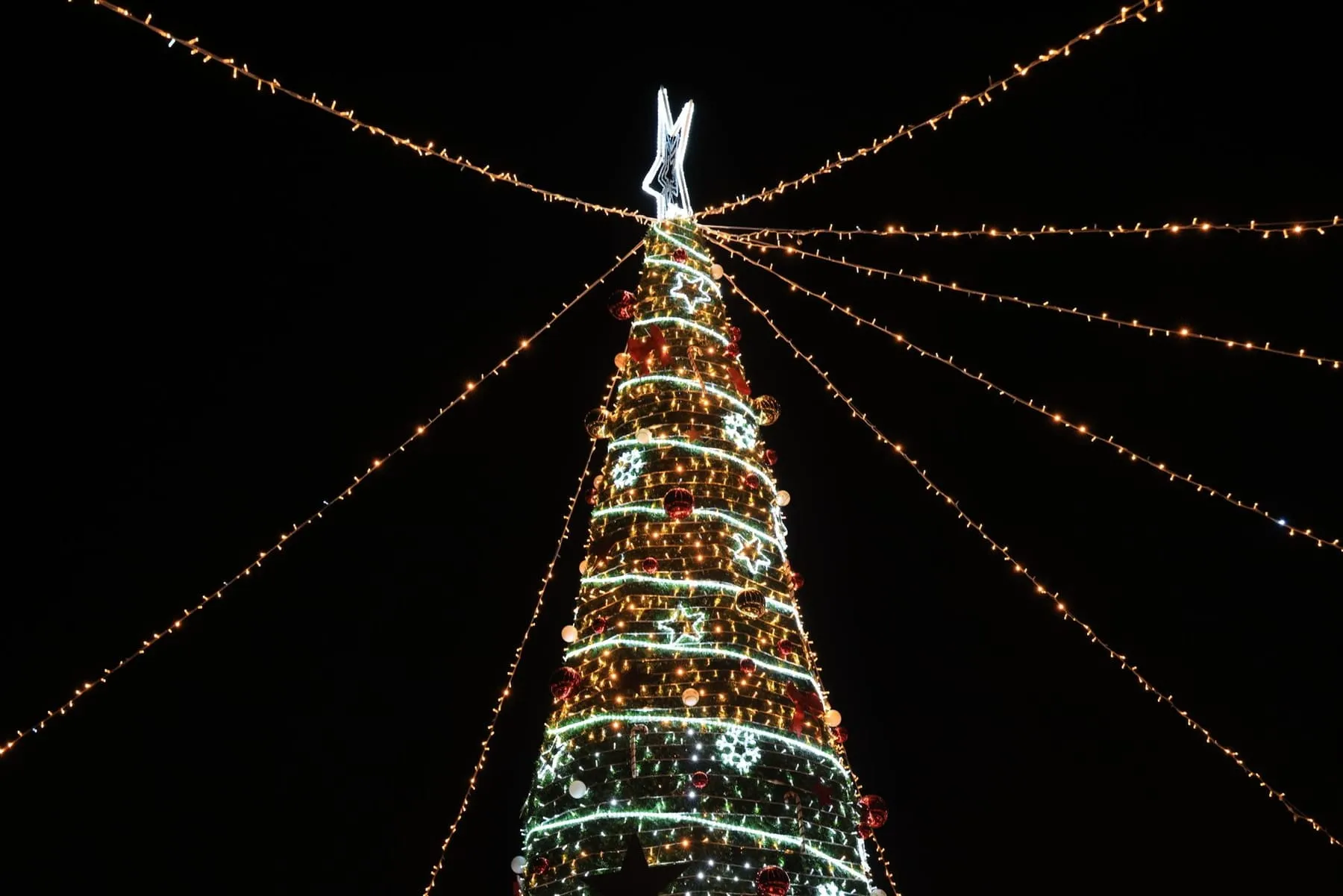
A Christmas tree represents life and hope in the middle of winter. Evergreen trees keep their colour when everything else is bare, which made them a natural symbol of life carrying on through the cold and dark months.
Over the centuries, Christian meanings, family customs and Victorian fashion have added to that idea. Today, almost every part of a decorated tree has something behind it, even if most of us hang the baubles without thinking twice.
What does the Christmas tree represent?
At its simplest, the Christmas tree represents everlasting life. Fir, spruce and pine stay green all year, so for people living through long northern winters, an evergreen was a reminder that spring would return.
In Christian tradition, that idea became a symbol of eternal life through Christ. The tree also links back to the Garden of Eden: in the late Middle Ages, a fir hung with apples stood in for the tree of paradise in religious plays performed around Christmas Eve. So the tree can be read as a story in itself, from the fall in Eden to the hope brought by the birth of Jesus.
For many people today, the meaning is less formal. The tree stands for home, family, generosity and the pleasure of gathering together at the darkest time of the year. You do not need to hold any particular belief to enjoy it: the same tree can carry religious meaning for one family and simply mean “Christmas is here” for the next.
Why do we use evergreen trees?
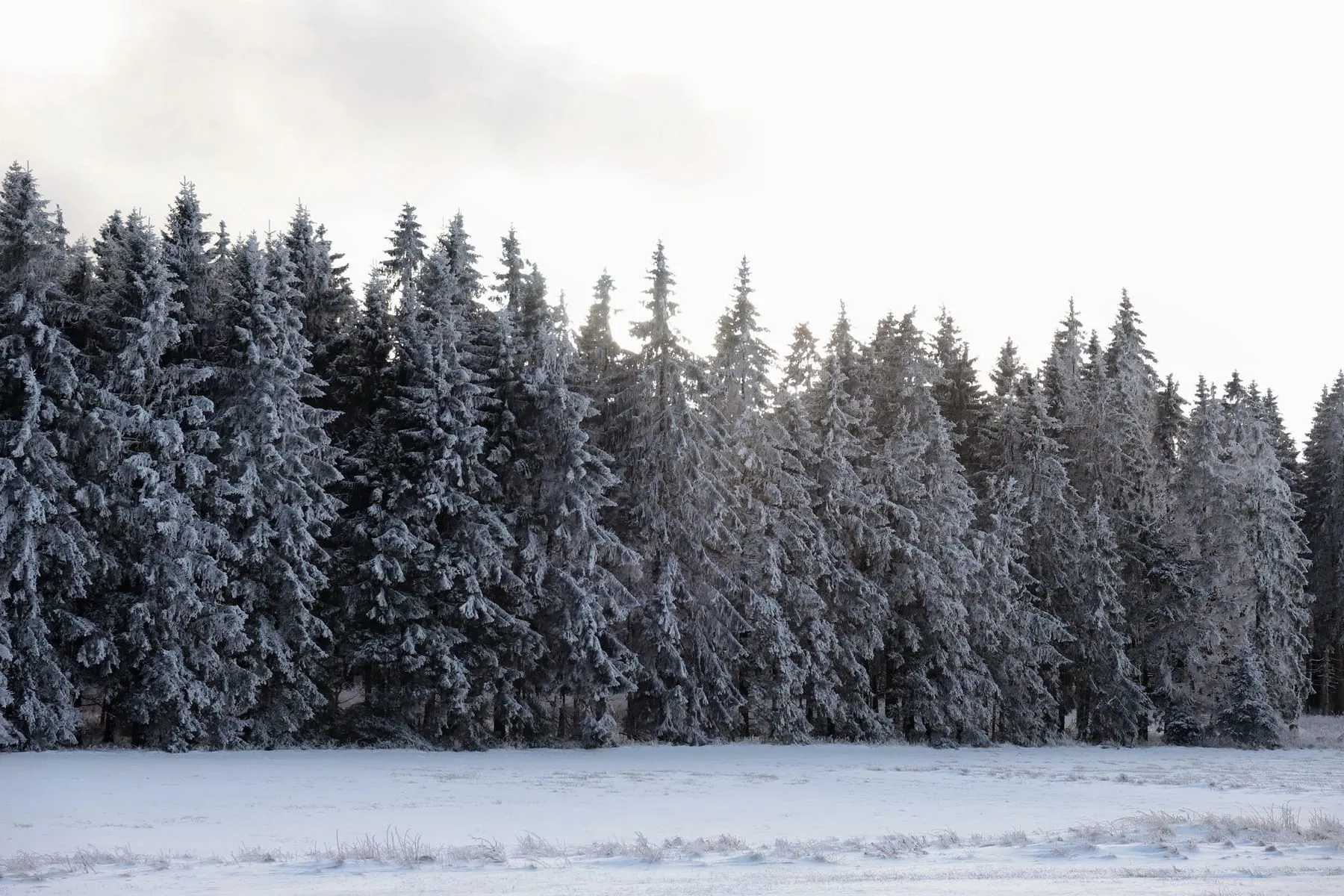
We use evergreens because they stay alive and green all winter. That made them meaningful long before the Christmas tree existed. Across Europe, people decorated their homes with green branches in midwinter, and the Romans used greenery during their winter festival of Saturnalia.
In Britain, holly, ivy, mistletoe and bay were the traditional Christmas greenery for centuries before trees arrived. Holly, with its prickly leaves and red berries, was later given Christian meaning as a reminder of the crown of thorns.
The decorated tree as we know it developed in Germany from around the 1500s. Our guide to where the Christmas tree tradition started tells that story, including how Prince Albert made it fashionable in Britain. If you are curious about which species are used today, see what trees are Christmas trees.
What does the star or angel on top mean?
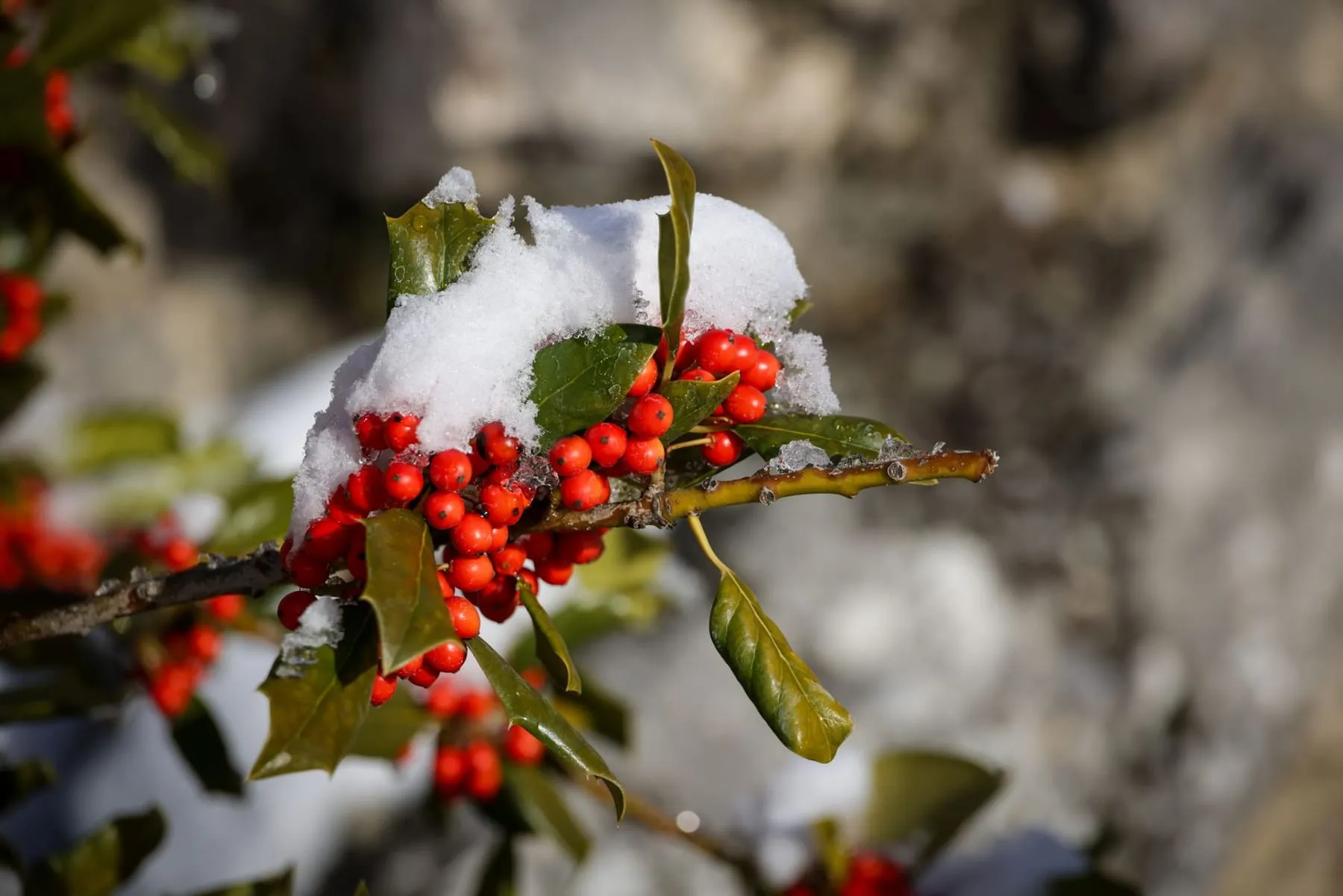
The star on top of a Christmas tree represents the Star of Bethlehem, which in the Nativity story led the wise men to the infant Jesus. An angel on top represents the angels who announced the birth to the shepherds.
Both are reminders of the Christmas story, and the choice between them is mostly down to family habit. Putting the topper on is often the final step of decorating, and in many homes it is a small ceremony of its own, handed to the youngest child or to someone lifted up to reach the top.
The star shape varies too. A five pointed star is the most familiar, while some families use a many pointed star to suggest light radiating outwards. Many British households grew up with an angel or fairy, while stars are especially common in other countries. Some families simply use a bow or a decoration with personal meaning, which is equally fine.
What do the lights, baubles and tinsel represent?
Each common decoration has a meaning, some old and some added later:
| Decoration | What it is often said to represent |
|---|---|
| Lights (and candles before them) | Christ as the light of the world, and light returning in midwinter |
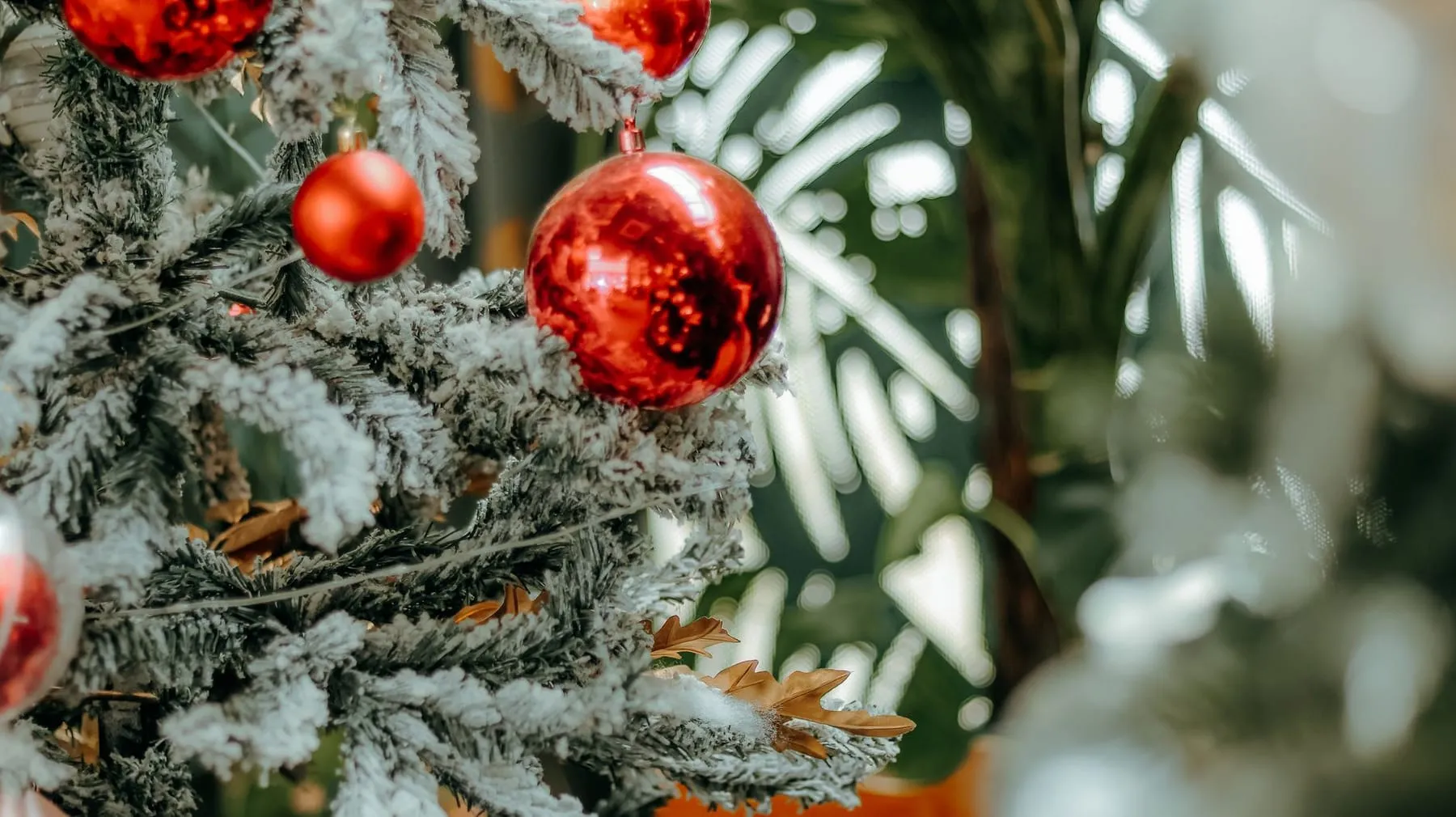
| Baubles | The apples hung on early paradise trees |
| Tinsel | Light shimmering on the branches; one folk tale links it to spiders’ webs turned to silver |
| Candy canes | A shepherd’s crook, a later and largely American addition |
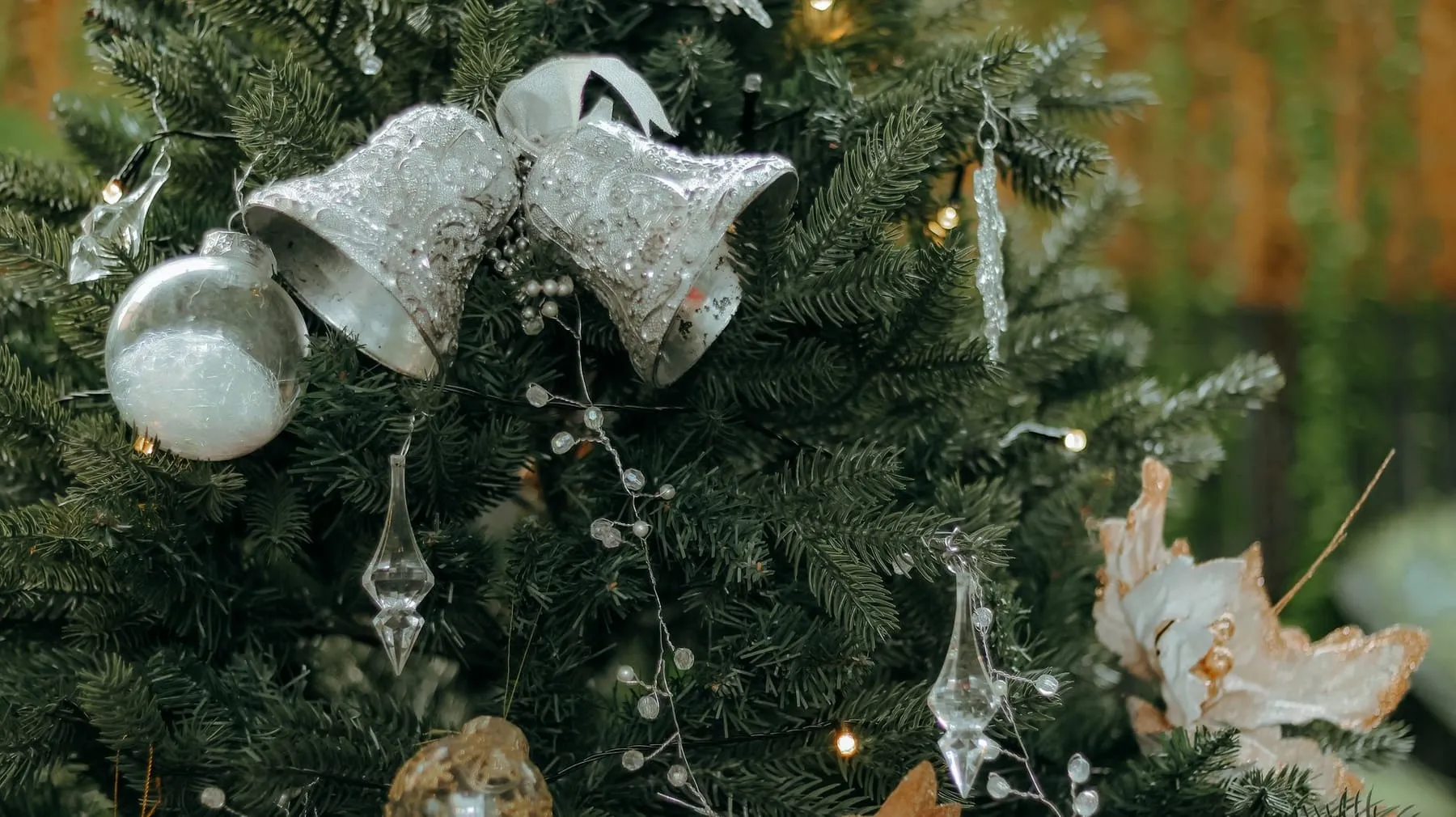
| Bells | Joy and the announcement of good news |
| Gifts under the tree | The gifts of the wise men, and generosity |
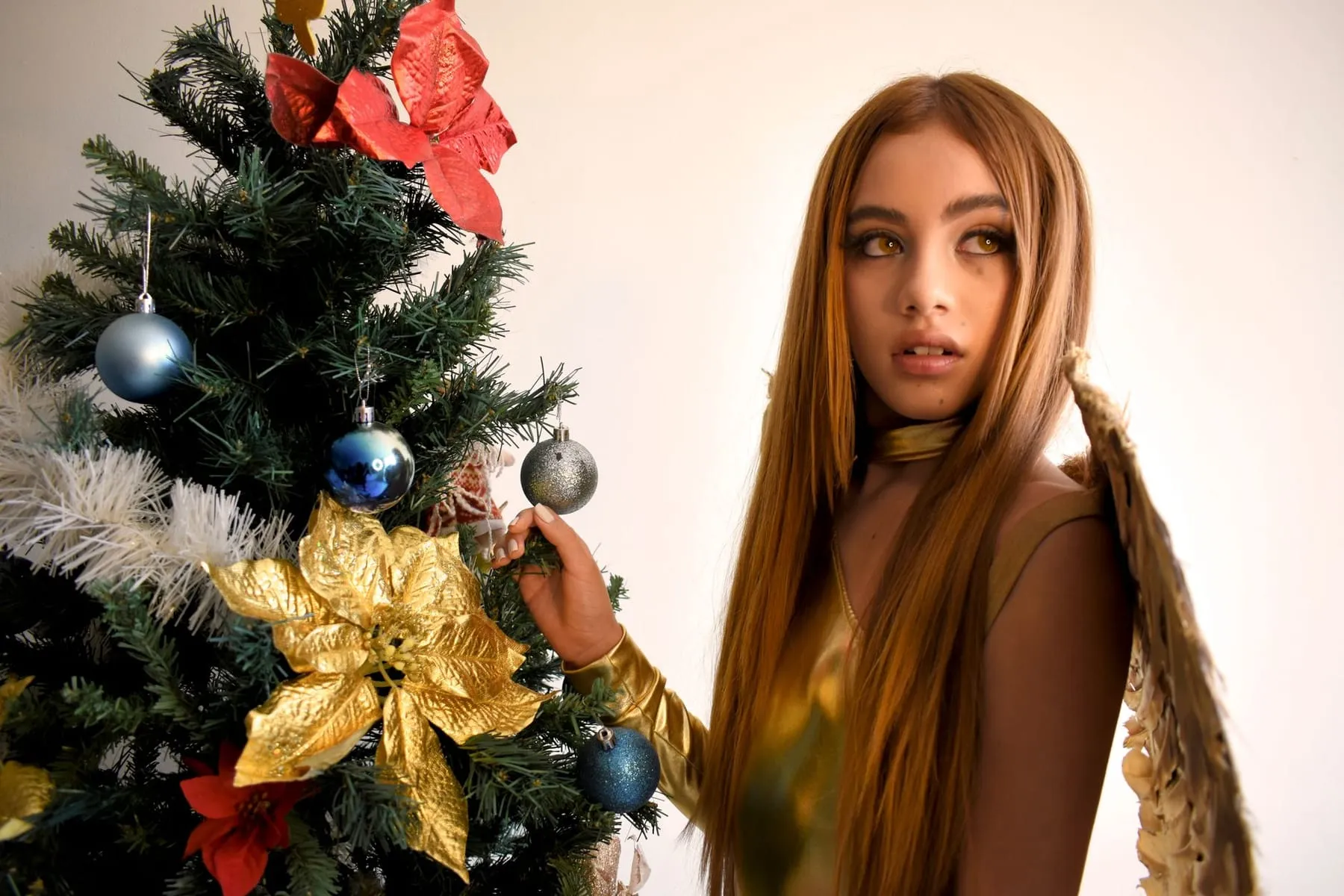
The earliest decorated trees in Germany were hung with apples, paper roses, wafers and sweets. Glass baubles came later, with glassblowers in Germany producing them in the 1800s. Candles were the original lights, which is one reason a dry tree was such a fire risk. Today’s LED lights carry the same meaning with none of the danger, and our guide to the best Christmas tree lights explains what to look for.
Does the shape of the Christmas tree mean anything?
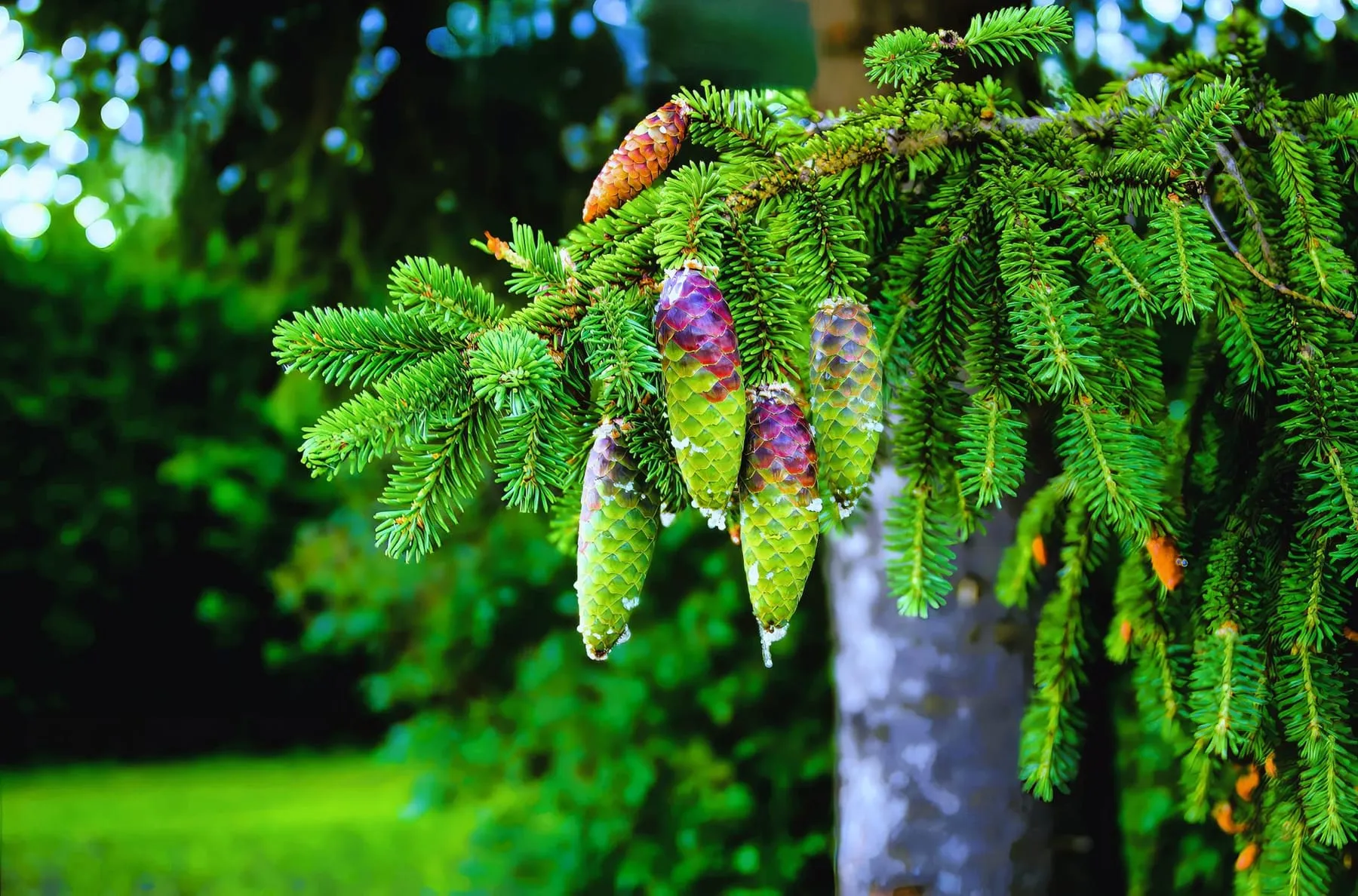
The cone shape is mostly practical: fir and spruce naturally grow that way, and tree farms trim them to a neat, even cone over several years. Some people see the triangle as a symbol of the Holy Trinity, with its three points standing for Father, Son and Holy Spirit.
That interpretation is a later reading rather than the reason the tradition began, but it is a meaningful one for many Christian families. Others simply love the classic shape because it frames decorations so well, from the widest branches at the bottom to the star at the top. If you want to make the most of it, see our guide on how to decorate a Christmas tree.
What does a Christmas tree mean to people today?
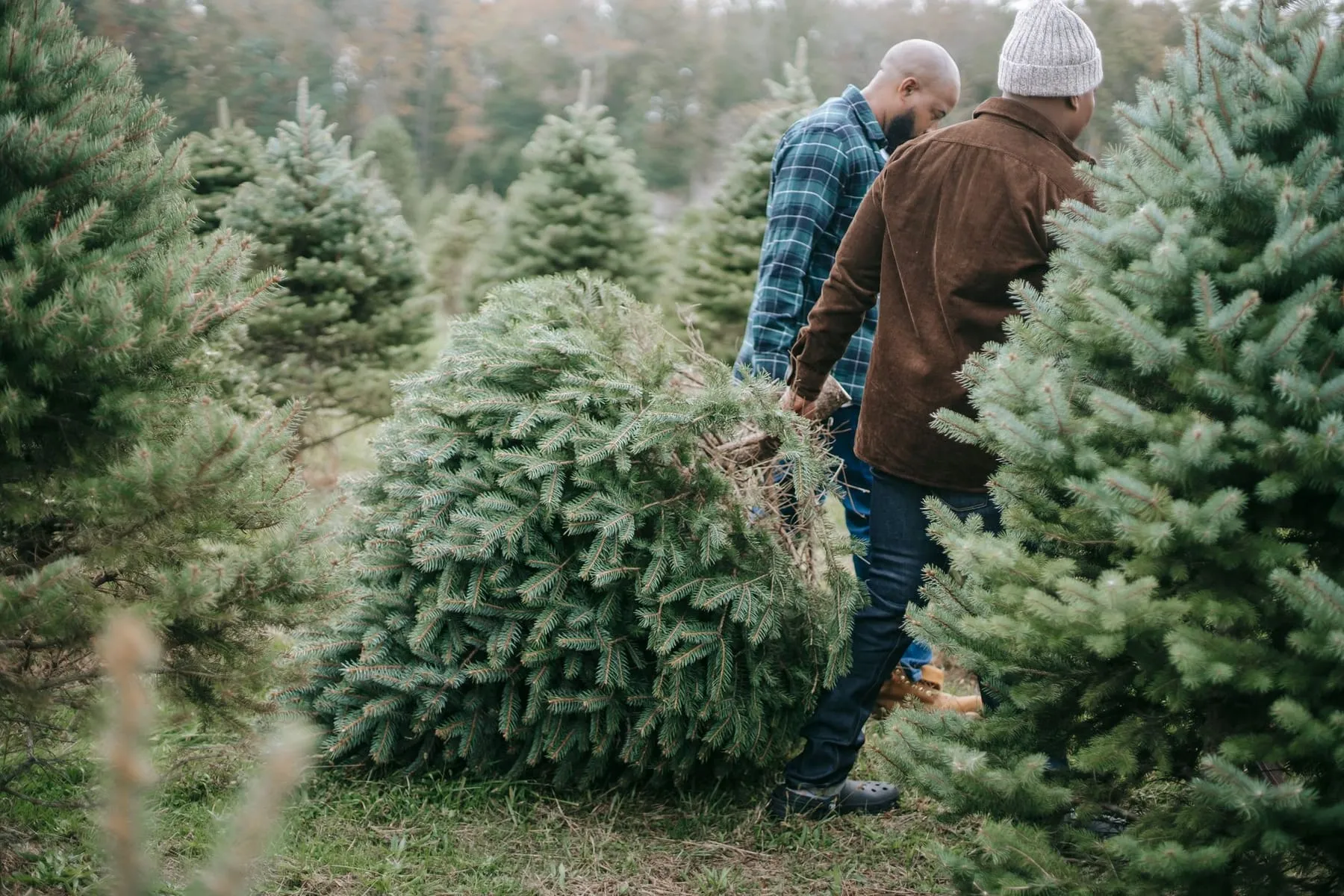
For most people now, a Christmas tree represents tradition and togetherness more than any single symbol. Choosing it, carrying it home, untangling the lights and hanging decorations collected over years is a ritual that marks the start of the season.
A real tree adds something extra: the scent of a forest indoors and the sense of bringing a living thing into the home, which is very close to the original meaning of the evergreen. Many families also treasure decorations that tell their own story: a bauble from a first Christmas together, a wonky paper star made at school, or an ornament passed down from a grandparent. Over the years, those personal pieces often end up meaning more than any traditional symbol. Many families make a trip to a farm part of that ritual, and you can find a Christmas tree farm near you to choose your own.
The tree also marks the end of the season. When Twelfth Night comes round, our guide on when to take your Christmas tree down explains the traditions around putting it all away again.
Questions people ask
Is the Christmas tree a pagan symbol?
Bringing evergreens indoors in midwinter predates Christianity in Europe, but the decorated Christmas tree itself developed in Christian Germany from around the 1500s. It is fairest to say it blends older winter customs with Christian meaning.
What does the star on a Christmas tree mean?
The star represents the Star of Bethlehem, which in the Nativity story guided the wise men to the infant Jesus. An angel on top recalls the angels who announced the birth to the shepherds.
Why is the Christmas tree triangular?
Mostly because fir and spruce trees grow that way, and farms trim them to a neat cone. Some people see the three points as a symbol of the Holy Trinity, but that is a later interpretation.
What do red and gold decorations mean?
Red is often linked with the apples on early paradise trees, holly berries and, for Christians, the blood of Christ. Gold suggests light, royalty and the gift of gold brought by the wise men.
Does a real tree mean something different from an artificial one?
The symbolism is the same, but many people feel a living evergreen captures the original idea of life in winter more closely. A real tree also brings the scent of the forest indoors.