The smell of a real Christmas tree is one of the main reasons people choose one over an artificial tree. But not every tree smells the same, and the best selling variety in the UK is one of the mildest.
This guide ranks the common UK varieties by scent, explains where the smell comes from, and shows you how to keep it strong right through to Twelfth Night.
Which Christmas tree has the strongest smell?
The Fraser fir, Grand fir and Norway spruce are the strongest smelling Christmas trees you are likely to find in the UK. Each has a fresh, resinous scent that fills a room, especially in the first fortnight after cutting.
Douglas fir and the pines (Scots pine and Lodgepole pine) also smell distinctly, though their scent is a little different from the “classic” Christmas tree smell. The Noble fir is pleasant but more moderate, and the Nordmann fir, the most popular tree in Britain, is the mildest of the lot.
Balsam fir is often named as the best smelling tree of all in North America, but it is rarely grown or sold in the UK, so you are unlikely to find one at a British farm.
Christmas tree scent compared
Here is how the main varieties sold in the UK compare on scent, along with how well they hold their needles, since the two often pull in opposite directions.
| Variety | Scent strength | Scent character | Needle hold |
|---|---|---|---|
| Fraser fir | Strong | Fresh, slightly citrus | Good |
| Grand fir | Strong | Citrus, almost orange peel | Fair |
| Norway spruce | Strong | Classic Christmas forest | Poor to fair |
| Douglas fir | Medium to strong | Sweet, fruity when crushed | Fair |
| Scots pine | Medium to strong | Sharp, resinous pine | Good |
| Lodgepole pine | Medium | Resinous pine | Good |
| Noble fir | Medium | Clean, woody | Good |
| Blue spruce | Medium | Fresh but sharp | Fair to good |
| Nordmann fir | Mild | Faint, green | Excellent |
Fraser fir
The Fraser fir is often the best all round pick if you want both scent and tidiness. It smells fresh and slightly citrus, holds its needles well, and has a slim shape that suits smaller rooms.
Grand fir
The Grand fir has a striking citrus scent, which some people compare to oranges. It is less common on UK farms and its branches are softer and more open, so it suits lighter decorations.
Norway spruce
The Norway spruce has the smell most British people grew up with. It is usually good value, but it drops needles faster in a warm room, so it is best bought close to Christmas.

Why do some Christmas trees smell more than others?
A Christmas tree’s scent comes from natural oils and resins in its needles and bark. Varieties that produce more of these aromatic compounds, or release them more readily, smell stronger.
Several things affect how much you notice:
- Variety. Spruces, Grand firs and Fraser firs simply carry more fragrant resin than Nordmanns.
- Freshness. A tree cut a few days ago smells much stronger than one cut weeks ago, because the needles still hold plenty of moisture and oil.
- Temperature. Warmth releases scent. A tree in a cool hallway will smell less than one in a heated living room, though warmth also dries it out faster.
- Contact. Brushing past the branches or crushing a needle releases fragrance. This is why Douglas fir and Grand fir smell so strong when you handle them.
The trade off is worth knowing: the conditions that boost scent (warmth, a spruce variety) are also the ones that speed up needle drop. Our guide to Christmas trees that don’t drop needles explains the other side of that balance.

Does the Nordmann fir smell?
The Nordmann fir does smell, but only faintly. Most people notice a light green freshness when it first comes into the house and very little after that.
Nordmanns dominate UK sales because they are soft, full and keep their needles for weeks, not because of their fragrance. If you love the look of a Nordmann but miss the smell, you can bring the scent in other ways:
- Add a few cut branches of spruce, pine or fir to a vase or mantelpiece garland.
- Ask the farm for offcuts from trimming the base; many will give them away.
- Hang a wreath made from mixed greenery on the inside of a door.
This gives you a tidy, long lasting tree and a room that still smells like Christmas. If you are still deciding between varieties, our guide to what trees are Christmas trees sets out the main differences.

How to make your Christmas tree smell stronger
The simplest way to get more scent from any real tree is to buy it fresh and keep it well watered. A tree that is drinking properly keeps its needles supple and its oils flowing.
- Buy as fresh as you can. Choosing and cutting your own tree at a farm means it may be only hours old when it comes home.
- Cut the base. Take about 2 to 3 cm off the trunk just before putting it in the stand so it can draw up water.
- Use a stand that holds water and top it up every day. A dry stand lets the cut end seal over within hours.
- Keep it away from radiators and fires. Moderate warmth releases scent; direct heat dries the tree and kills it.
- Brush the branches now and then as you pass. It sounds small, but it releases a surprising amount of fragrance.
For a step by step routine, see our guide on how to keep a Christmas tree alive, and for timing, our guide to how long a real Christmas tree lasts.

Where to find the best smelling Christmas tree
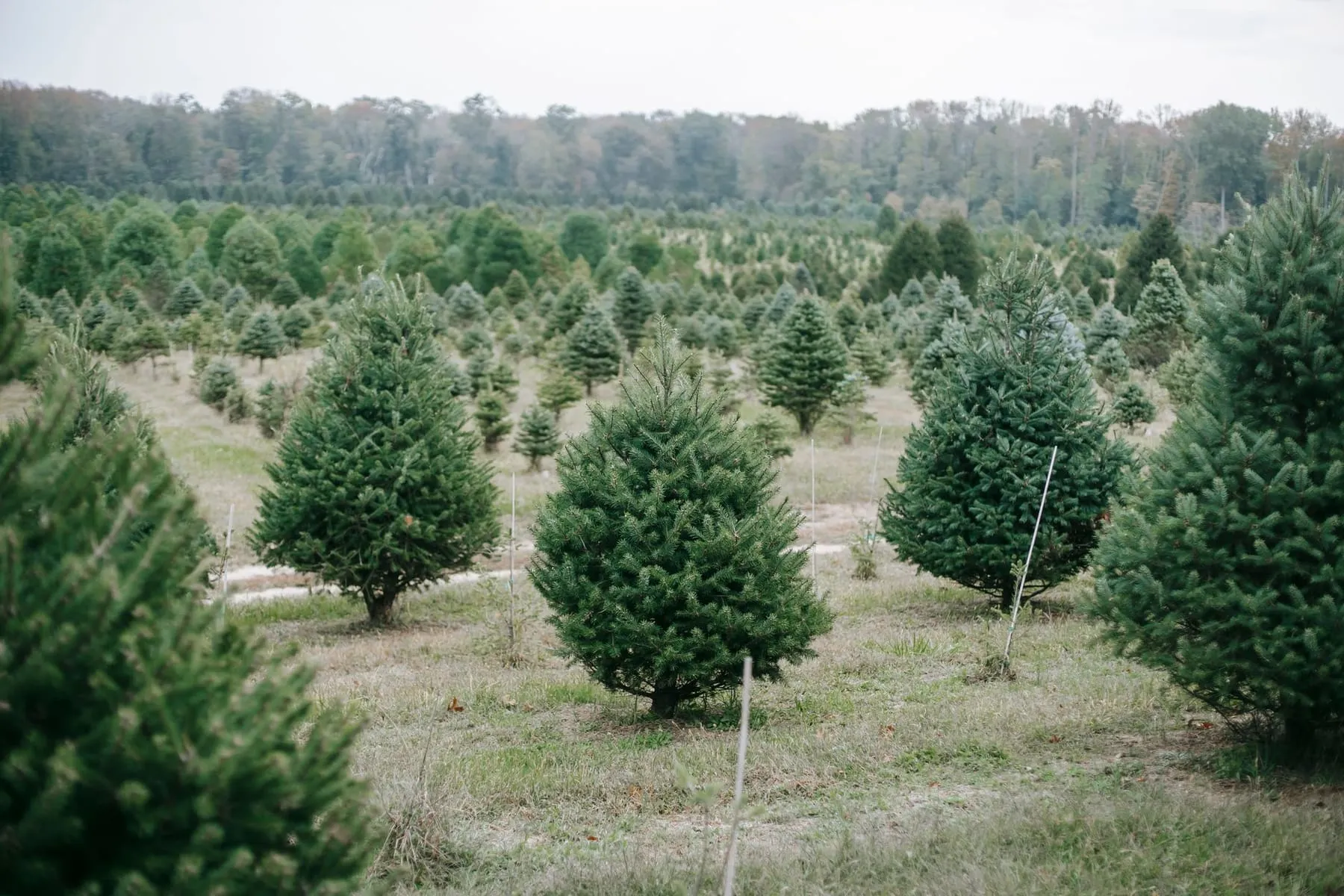
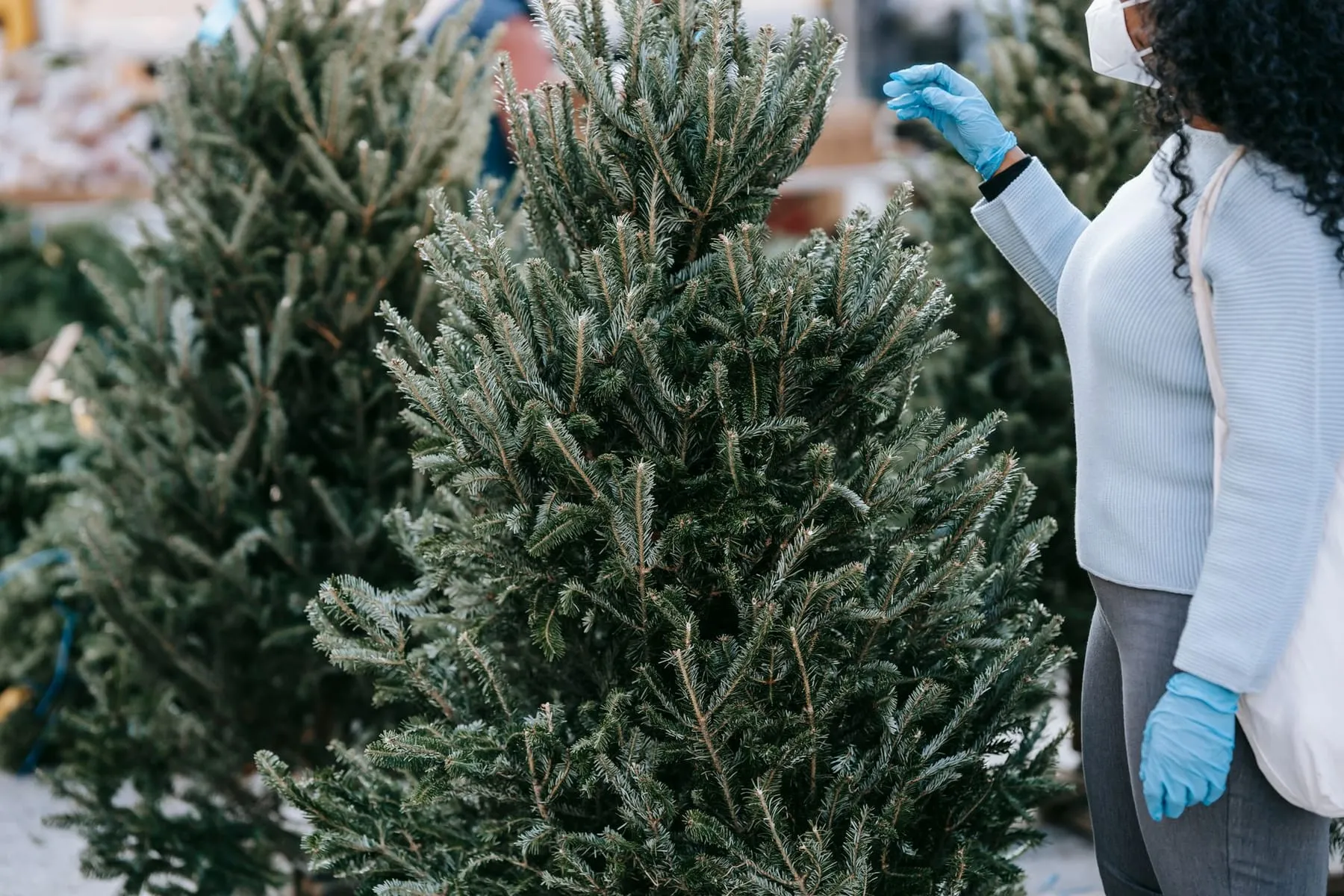
The best place to judge scent is in person, at a farm where you can walk among the trees and smell the branches before you choose. Rub a few needles between your fingers and you will quickly notice the difference between a Nordmann and a Fraser or Norway spruce.
Many farms grow more than one variety, and staff are usually happy to point you towards the most fragrant trees they have that year. A tree cut on the day will also smell noticeably stronger than one that has been netted and stacked for weeks.
Find a Christmas tree farm near you and check which varieties they grow before you set off.
Questions people ask
Do Nordmann firs smell?
Only faintly. Nordmanns are bred and chosen for soft needles and good needle retention, and most people find their scent mild compared with a spruce or Fraser fir.
Why does my real Christmas tree not smell?
The usual reasons are the variety (a Nordmann has little scent), a tree that was cut weeks ago and has dried out, or a room so cool that little fragrance is released. Watering well and brushing the branches can help.
Does a real Christmas tree make the house smell?
Yes, most real trees give off a fresh, resinous smell, strongest in the first week or two. How far it carries depends on the variety, the room temperature and how fresh the tree is.
Is a Christmas tree smell bad for allergies?
Some people react to the mould spores, pollen or resin that can come in on a real tree rather than the scent itself. Shaking the tree outdoors and letting it dry briefly before bringing it in can reduce this.
Which Christmas tree smells most like a pine forest?
A Scots pine or Lodgepole pine has the sharpest resinous pine smell. If you want the classic Christmas tree smell rather than pine, a Norway spruce is a closer match.