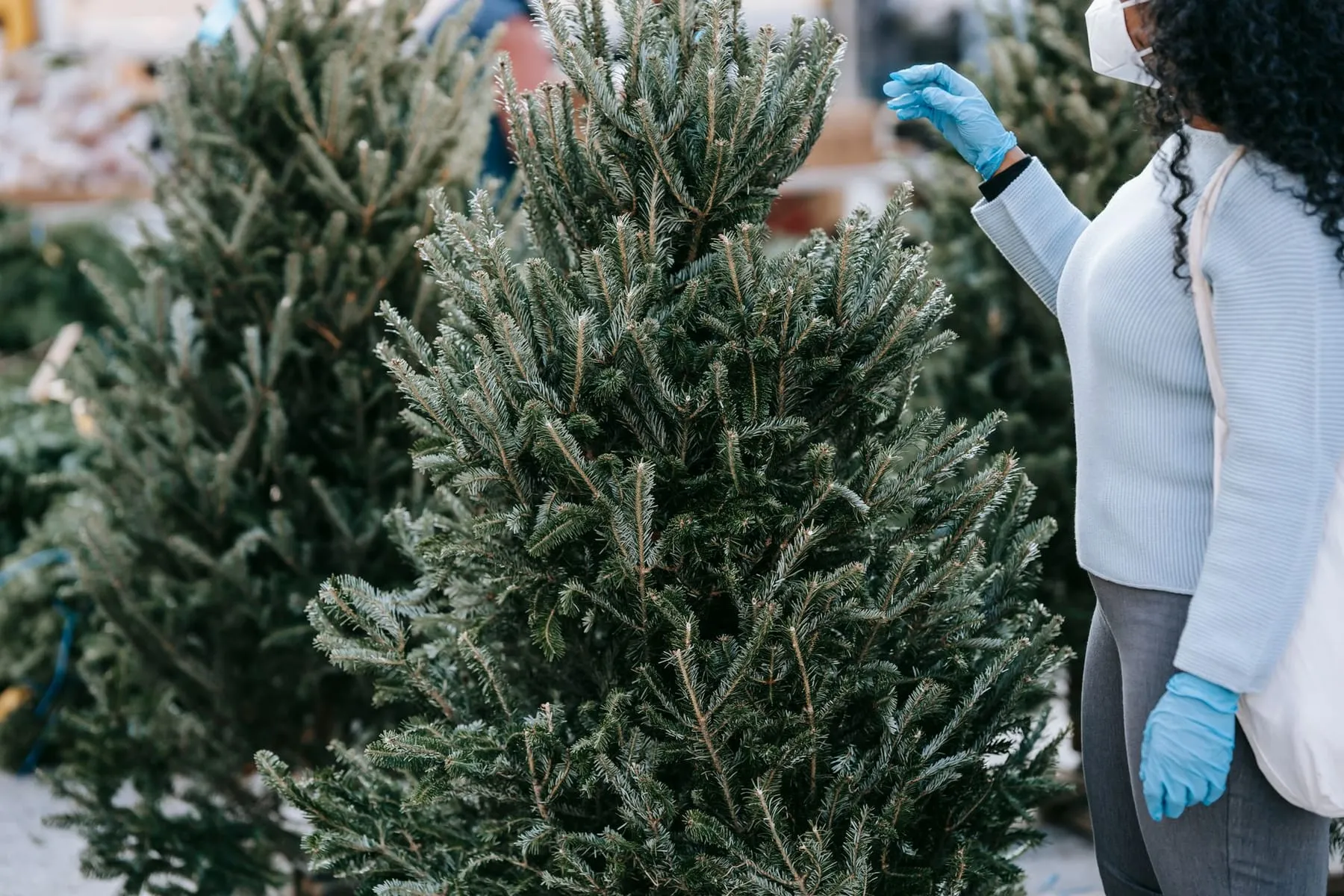
A real Christmas tree is one of the more affordable festive traditions, but prices vary more than many people expect. The same 6 ft tree can cost noticeably different amounts depending on the variety, where you live and where you buy it.
This guide sets out typical UK prices for 2026, explains what pushes the cost up or down, and shows how to get a good tree without overspending. Prices are a rough guide only, so check with your chosen farm before you go.
How much does a real Christmas tree cost in the UK?
Most people in the UK pay somewhere between £40 and £70 for a real 6 ft Christmas tree, with the popular Nordmann fir at the upper end of that range and Norway spruce towards the lower end. Smaller trees cost less, and very tall trees cost considerably more.
Many farms and garden centres price by height, either in bands (for example 5 to 6 ft, 6 to 7 ft) or per foot. As a very rough rule, expect each extra foot of Nordmann to add around £8 to £15.
Prices also vary by region. Trees in London and the South East tend to cost more than in the North of England or Scotland, though local competition matters too.
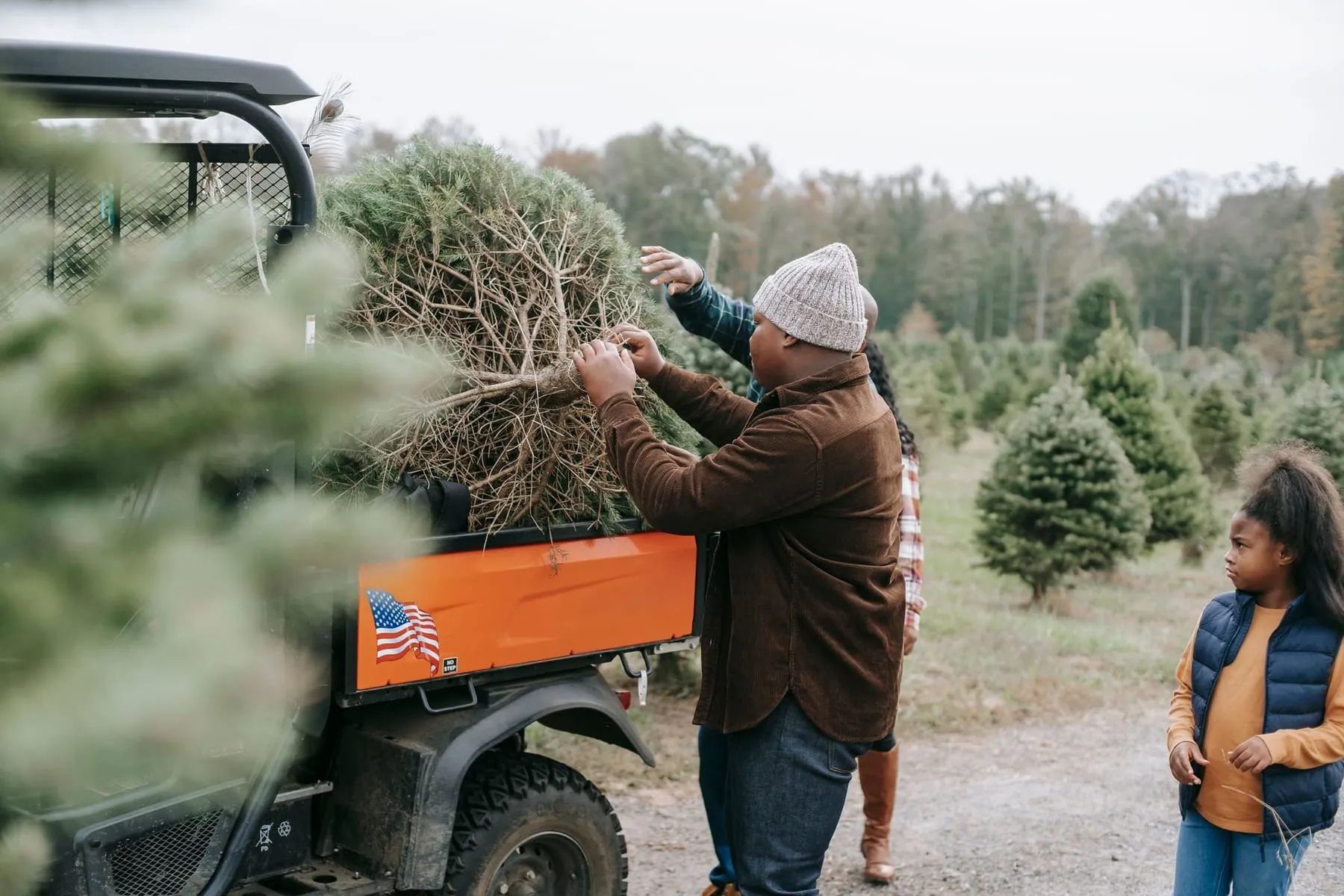
Typical Christmas tree prices by height
This table gives approximate 2026 prices for a fresh cut tree from a UK farm or garden centre. Individual sellers will vary.
| Height | Norway spruce | Nordmann fir |
|---|---|---|
| 3 to 4 ft | £15 to £30 | £20 to £40 |
| 5 to 6 ft | £30 to £50 | £40 to £60 |
| 6 to 7 ft | £35 to £60 | £45 to £75 |
| 7 to 8 ft | £50 to £75 | £60 to £100 |
| 8 to 10 ft | £70 to £120 | £80 to £150 |
| Over 10 ft | Price on request | Price on request |
Fraser, Noble and Blue spruce trees are usually priced similarly to, or slightly above, a Nordmann of the same height. Potted and pot grown trees tend to cost more per foot than cut trees because they take more work to grow and are sold in smaller sizes.
For businesses, schools and churches needing several large trees, many growers offer reduced rates. See our page on bulk Christmas trees.
What affects the price of a Christmas tree?
The biggest factors in a Christmas tree’s price are its height, its variety and its quality, followed by where you buy it.
- Height. Taller trees take more years to grow and more effort to handle and transport.
- Variety. Nordmann firs grow slowly and are in high demand, so they cost more than Norway spruce. Our guide to what trees are Christmas trees explains the differences between them.
- Grade. Many growers sort trees by shape and fullness. A perfectly even, dense “premium” tree costs more than a slightly lopsided one of the same height.
- Where you buy. Farms, garden centres, pop up sellers, supermarkets and online retailers all price differently.
- Delivery and extras. Delivery, stands, netting, recycling collection and installation can add up.
- Growing costs. Labour, fuel and weather all affect prices from year to year.
A cheaper tree is not always better value. A Norway spruce that sheds heavily by Christmas Eve may be a poorer buy than a Nordmann that lasts until Twelfth Night. Our guide to Christmas trees that don’t drop needles explains why.
Is it cheaper to buy a Christmas tree from a farm?
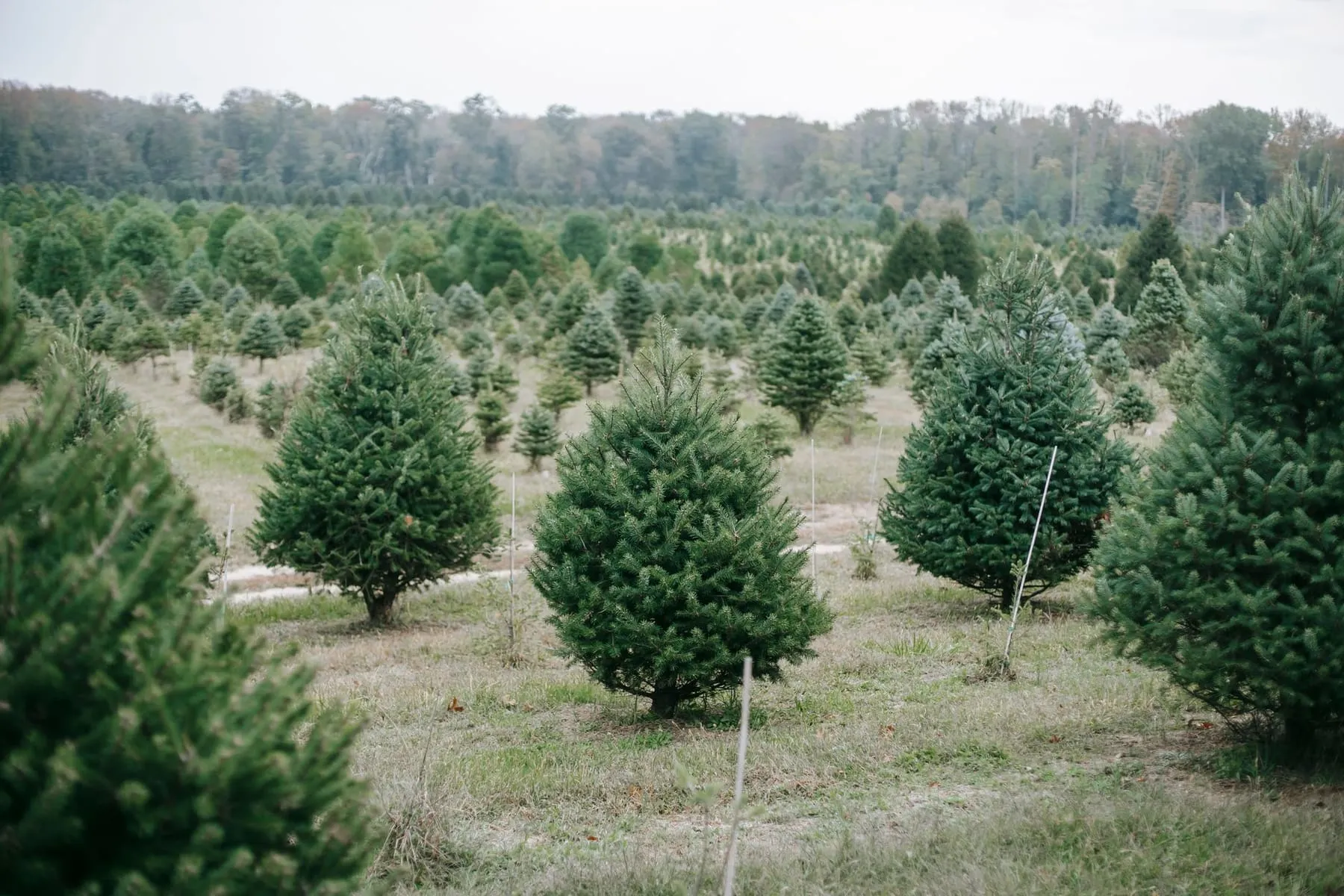
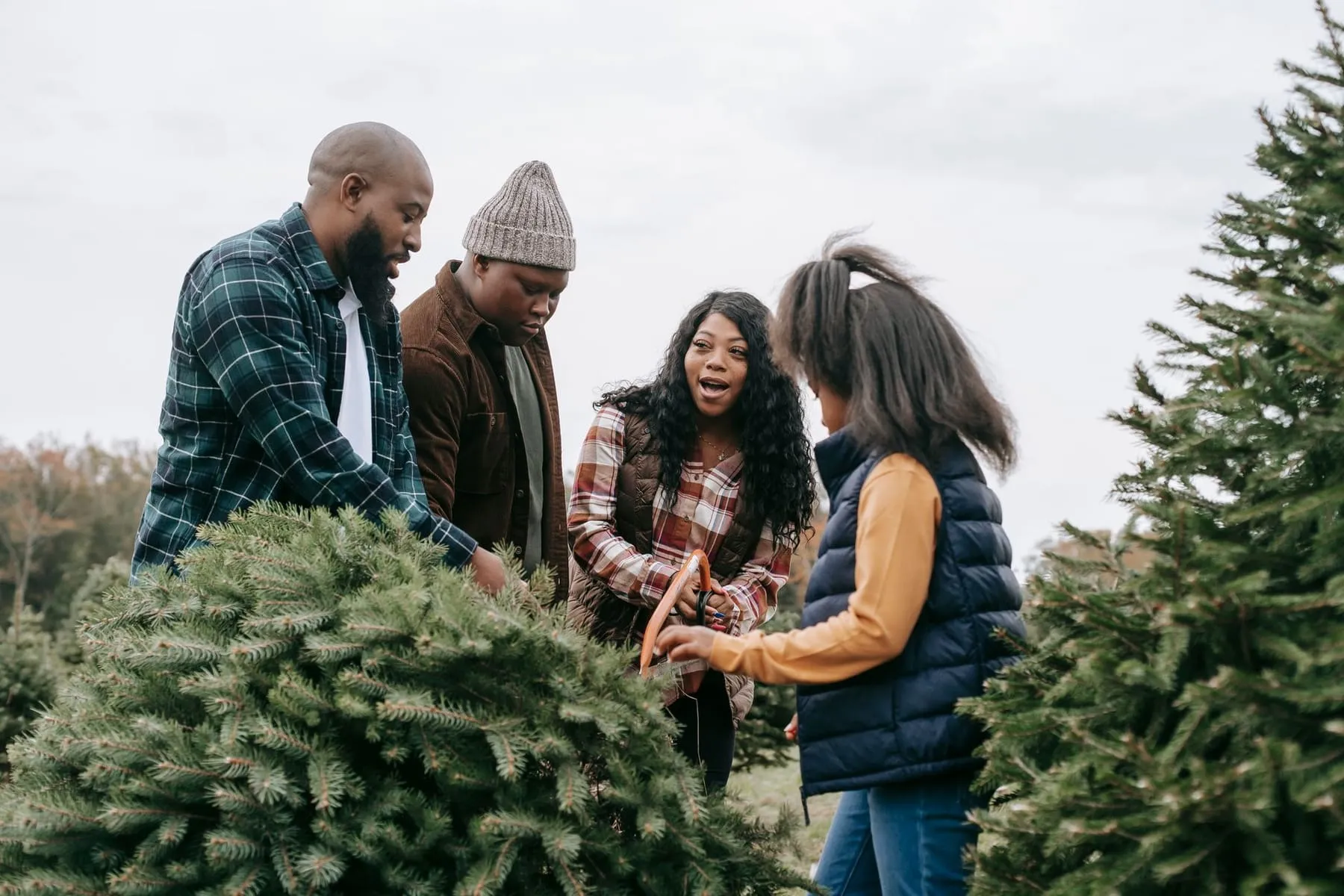
Buying direct from a Christmas tree farm is often similar in price to a garden centre, and you usually get a much fresher tree for your money. Because there is no middleman, many farms can offer good value on larger trees in particular.
Here is how the main options typically compare:
- Christmas tree farms: fresh, often cut on the day, with a wide choice of sizes and varieties. Prices are usually fair, especially for taller trees.
- Garden centres: convenient and well stocked, sometimes slightly dearer, with trees that may have been cut a week or more earlier.
- Supermarkets and DIY stores: often the cheapest for small and medium trees, but the range is limited and trees may have been cut well in advance.
- Online delivery: convenient, but delivery charges can add £10 to £30 and you cannot choose the exact tree.
- Pop up roadside sellers: prices vary widely; ask where and when the trees were cut.
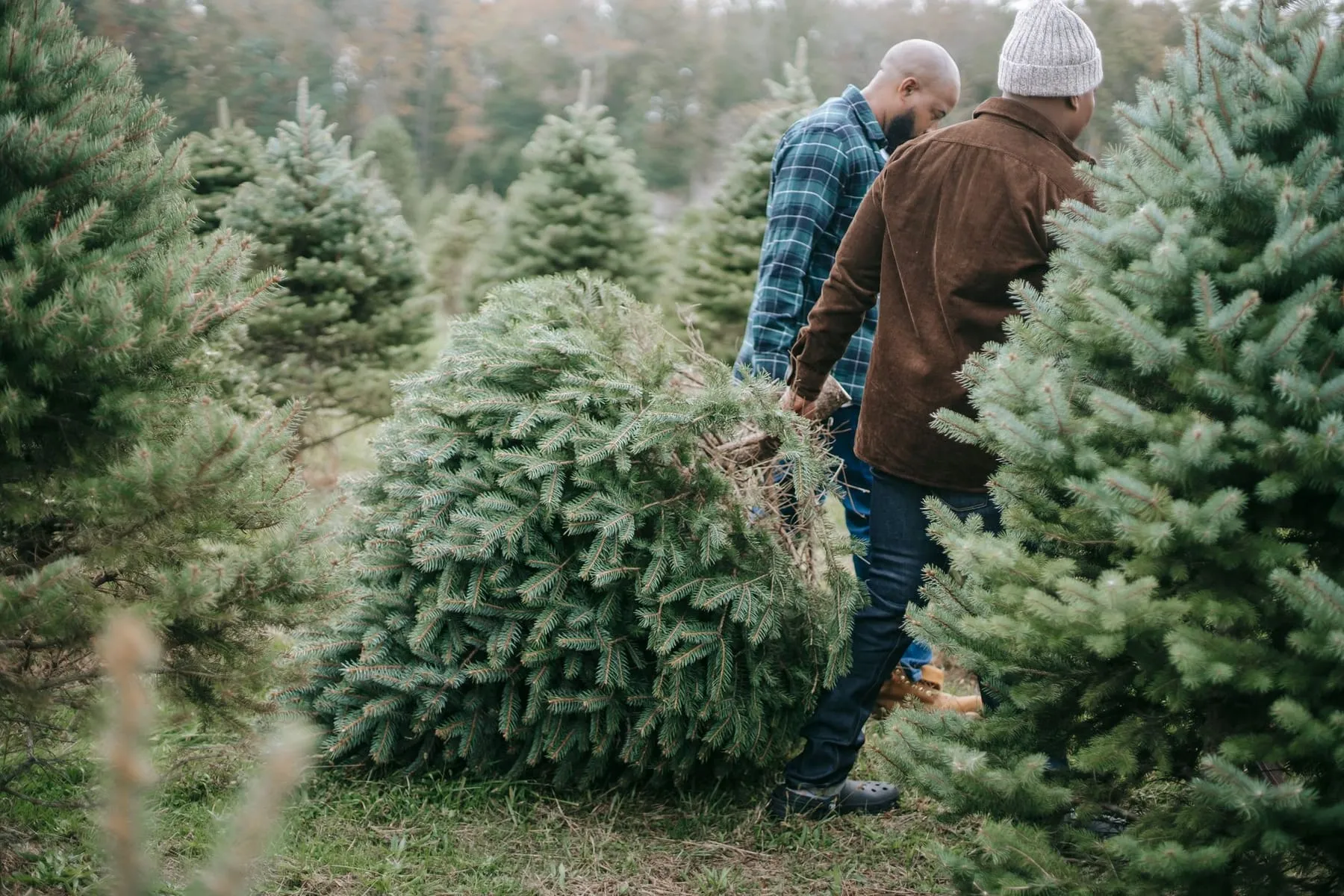
There is also the experience. Walking the rows and choosing your own tree is a day out in itself, and many farms add hot drinks, Santa visits or a farm shop.
Extra costs to budget for
Beyond the tree itself, a few extras can add to the total cost of a real Christmas tree. It helps to plan for them before you go.
- A stand: a sturdy, water holding stand typically costs around £15 to £40 and lasts for years. It is the single most useful thing you can buy, as a tree that runs dry will shed early.
- Netting and base trimming: often free at farms, sometimes a small charge elsewhere.
- Delivery: handy for tall trees or if you do not have a suitable car.
- Lights and decorations: if you are starting from scratch, these can cost more than the tree. Our guide to the best Christmas tree lights can help you choose.
- Disposal: many councils collect real trees in January, sometimes free and sometimes through a paid garden waste service. Some charities collect trees for a donation. See what to do with your Christmas tree after Christmas.
How to get the best value Christmas tree
The best value Christmas tree is a fresh one in the right size for your room, bought from a seller who will trim the base and help you load it. That way you pay once and enjoy it right through the season.
A few practical tips:
- Measure first. Check your ceiling height and allow for the stand and a topper. Buying a foot too tall wastes money and means cutting it down at home.
- Go early in December. You get the widest choice at standard prices, and a fir bought then will easily last until Twelfth Night with care.
- Consider a slightly imperfect tree. A tree with one flatter side costs less and can go against a wall.
- Choose the right variety for your timing. If you put your tree up early, a Nordmann is worth the extra. If you decorate the week before Christmas, a Norway spruce is good value.
- Look after it. A tree kept watered lasts weeks longer. Our guide on how to keep a Christmas tree alive covers the essentials.
To compare local prices, find a Christmas tree farm near you and check their sizes and varieties before you visit.
Questions people ask
Is a real Christmas tree cheaper than an artificial one?
In a single year, yes, usually. A good artificial tree can cost more than several years of real trees, though it may work out cheaper if you keep it for a long time.
Why are Nordmann firs more expensive?
Nordmann firs are slow growing, often taking around 8 to 10 years to reach 6 ft, and they need more shaping and care than spruces. Their popularity and long needle life also keep demand high.
Do Christmas trees get cheaper closer to Christmas?
Some sellers reduce remaining stock in the last few days, but the choice is much smaller and the best trees will have gone. Most farms keep prices steady through December.
How much does it cost to have a Christmas tree delivered?
Delivery is often charged separately, roughly £10 to £30 depending on distance and the seller. Some farms deliver free locally above a certain spend.
Do you pay extra to cut your own Christmas tree?
Usually not. Most cut your own farms charge by the height of the tree, and many include cutting, netting and a fresh base trim in the price.